As remote work continues to grow in 2026, small home offices have become the primary workspace for millions of professionals. Limited desk space, dual-monitor setups, and compact room layouts make organization more challenging than ever. Choosing the right wall calendar size can significantly improve productivity without cluttering the workspace.
This article compares wall calendar sizes suitable for small home offices, helping you select the best option that fits alongside monitors, shelves, and essential office equipment.
Why Wall Calendar Size Matters in Small Home Offices
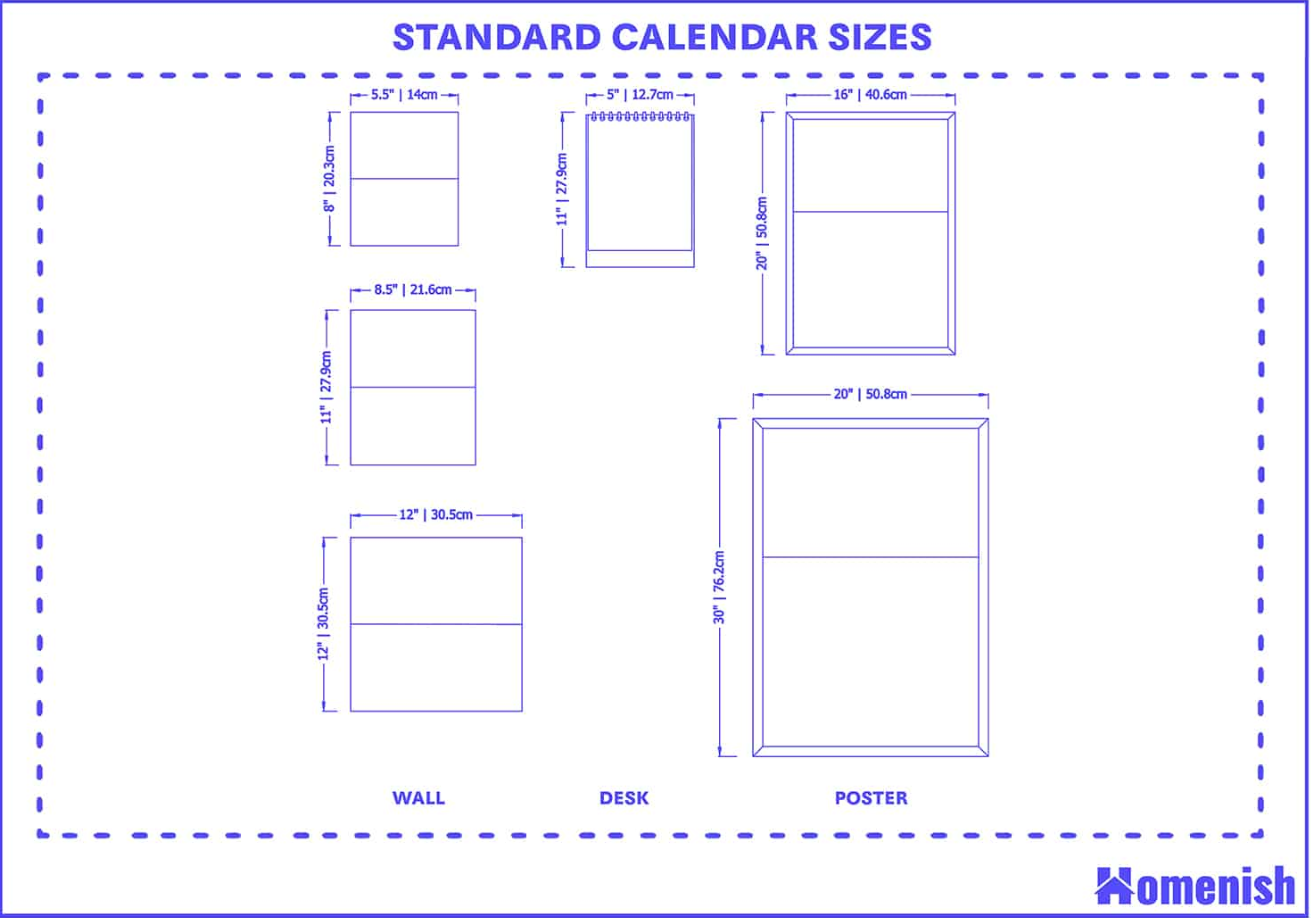
In compact workspaces, every inch counts. Oversized wall calendars can dominate visual space and compete with monitors, while calendars that are too small may become ineffective for daily planning.
The right wall calendar size provides:
- Clear visibility without visual overload
- Efficient planning at a glance
- Minimal interference with monitor placement
- Better wall space utilization
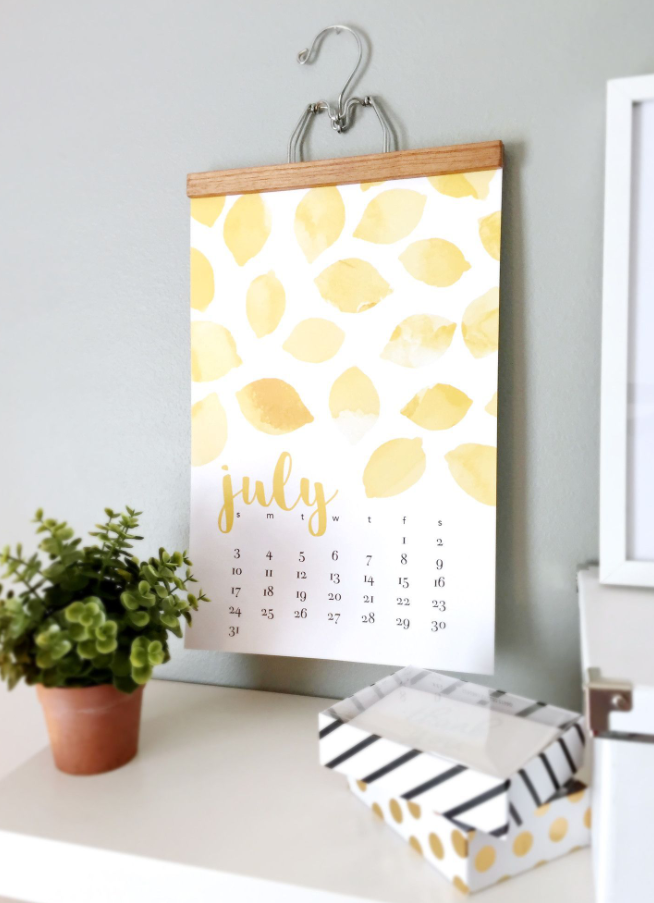
Common Wall Calendar Sizes Explained
Small Wall Calendars (A4 / 8.5 x 11 inches)
Small wall calendars are ideal for extremely limited spaces. They fit easily beside or above monitors and work well for minimalist setups.
- Best for single-monitor desks
- Good for personal reminders and deadlines
- Limited writing space per day
Medium Wall Calendars (A3 / 11 x 17 inches)
Medium-sized wall calendars offer a balance between visibility and space efficiency. They are the most popular choice for small home offices.
- Clear monthly overview
- Fits between dual monitors or beside shelves
- Enough space for notes and task tracking
Large Wall Calendars (12 x 24 inches and above)
Large wall calendars provide excellent readability but may overwhelm small workspaces if not positioned carefully.
- Best placed on side walls, not behind monitors
- Ideal for project-based planning
- May require stepping away from desk to view
Choosing the Right Calendar Size Based on Monitor Setup
Single Monitor Setup
For a single monitor workspace, small to medium wall calendars work best. Mounting the calendar above or to the side of the monitor keeps it within your line of sight.
Dual Monitor Setup
Dual monitor setups reduce available wall space. A medium-sized vertical wall calendar placed beside the monitors is usually the most practical solution.
Ultra-Wide Monitor Setup
Ultra-wide monitors limit central wall space. In this case, narrow vertical calendars or compact monthly planners mounted on side walls are recommended.
Horizontal vs Vertical Wall Calendars
Vertical Calendars
Vertical calendars are more space-efficient and easier to fit between furniture and monitors in small offices.
Horizontal Calendars
Horizontal layouts offer wider daily writing space but require more wall width, making them better suited for side walls.
Best Practices for Wall Calendar Placement
- Mount calendars at eye level when seated
- Avoid placing calendars directly behind monitors
- Use light-colored designs to reduce visual clutter
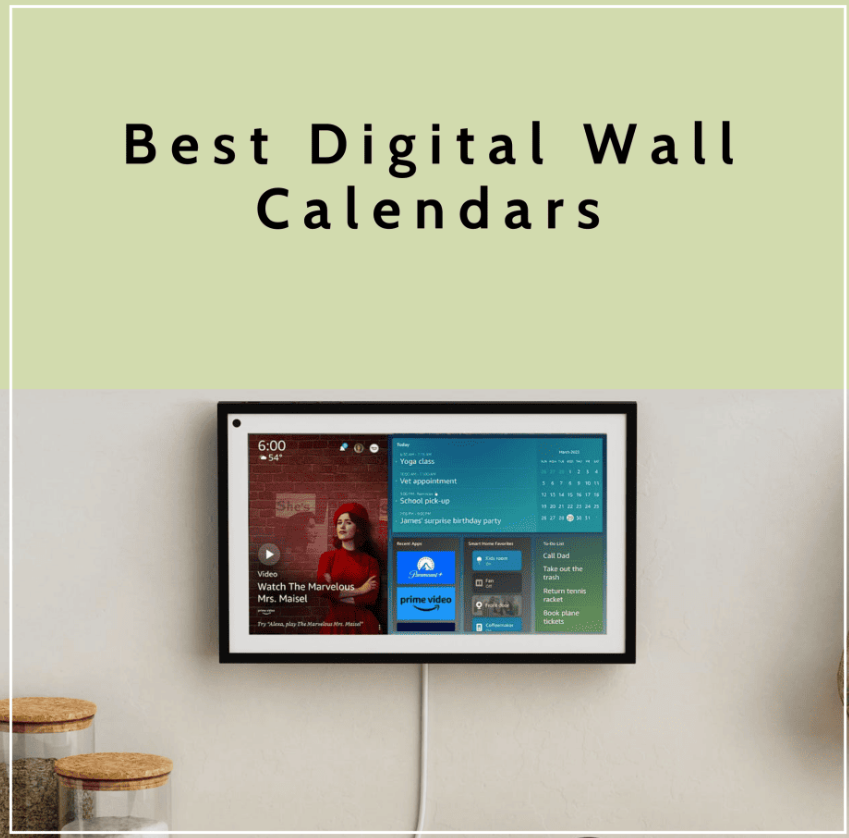
- Combine with digital calendars for detailed planning
Paper vs Laminated Wall Calendars
Laminated wall calendars allow reusable planning with dry-erase markers, reducing paper waste and offering flexibility. Paper calendars, however, provide a cleaner look and are easier to replace monthly or yearly.
Who Benefits Most from Wall Calendars in Small Offices?
Wall calendars are especially useful for freelancers, remote employees, students, content creators, and small business owners who need constant visual reminders without opening digital tools.
Conclusion
Comparing wall calendar sizes is essential when working in a small home office with limited workspace and monitor setups. By choosing the right size, orientation, and placement, you can enhance productivity without sacrificing comfort or aesthetics.
The ideal wall calendar should complement your monitor layout, provide clear visibility, and support your daily planning habits in 2026 and beyond.
FAQ
-
What wall calendar size is best for a small home office?
Medium-sized wall calendars (A3 or 11 x 17 inches) are ideal because they balance visibility and space efficiency.
-
Can I use a large wall calendar in a small workspace?
Yes, but it should be placed on a side wall rather than behind monitors to avoid clutter and obstruction.
-
Are vertical wall calendars better for small offices?
Yes. Vertical calendars use wall height instead of width, making them more suitable for limited spaces.
-
Should I use a wall calendar if I already use digital calendars?
Yes. Wall calendars provide instant visual reminders and work best when combined with digital tools.
-
Where should I place a wall calendar near my desk?
The best placement is at eye level, beside or above the monitor, without blocking screen visibility.
