Opening a restaurant is a complex process that requires precise timing, strong coordination, and careful planning. From the initial concept to the grand opening day, dozens of tasks must align perfectly—especially when managing suppliers, contractors, and staffing schedules.
A restaurant opening calendar serves as a structured timeline that helps owners and managers coordinate every stage of the launch while maintaining smooth supply chain operations.
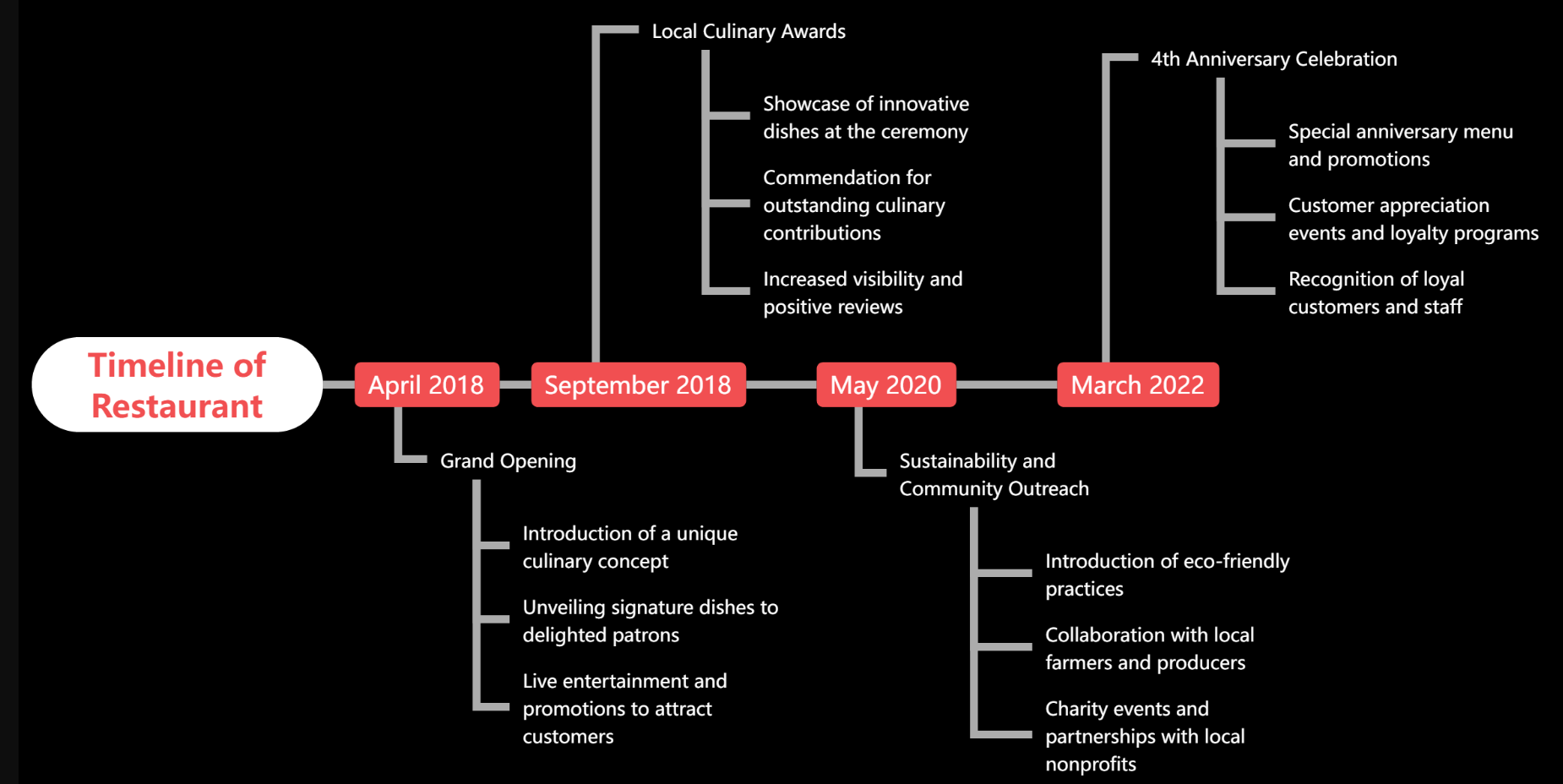
Why a Restaurant Opening Calendar Is Essential
Without a clear timeline, restaurant openings often face delays, cost overruns, and last-minute chaos. A well-structured opening calendar ensures that each phase progresses logically and dependencies are managed efficiently.
Key benefits include:
- Clear visibility of milestones and deadlines
- Better coordination with suppliers and contractors
- Reduced risk of opening delays
- Improved budget and inventory control
Phase 1: Concept Development and Planning
This initial phase defines the restaurant’s identity and operational vision.
- Finalize restaurant concept and target market
- Develop menu and pricing strategy
- Create a preliminary budget and financial plan
- Set a tentative opening date
These foundational decisions influence supplier selection, kitchen layout, and staffing requirements later in the timeline.
Phase 2: Location, Permits, and Licensing
Once the concept is defined, securing a location and obtaining permits become top priorities.
- Lease negotiation and site evaluation
- Health permits and food safety certifications
- Business registration and insurance
- Alcohol licensing (if applicable)
Permit timelines should be clearly marked in the opening calendar to avoid construction or equipment delays.
Phase 3: Design, Construction, and Equipment Ordering
This phase requires tight coordination between designers, contractors, and suppliers.
- Finalize kitchen and dining layout
- Order kitchen equipment and furniture
- Schedule renovations and inspections
- Coordinate delivery timelines with contractors
Supply chain delays are common at this stage, making accurate scheduling and buffer time essential.
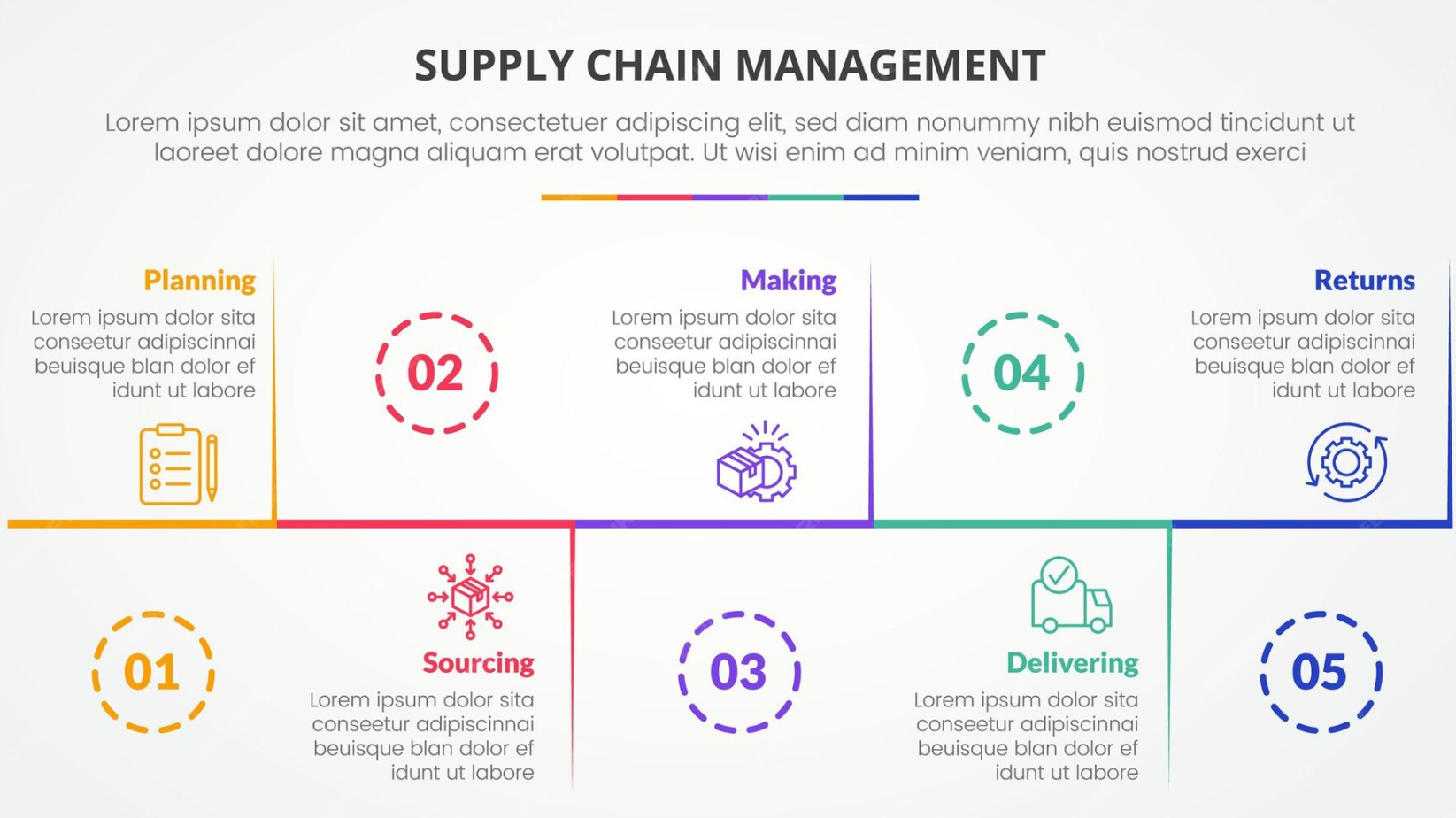
Phase 4: Supply Chain Setup and Vendor Coordination
Reliable suppliers are critical for a successful opening.
- Select food and beverage suppliers
- Set up ordering systems and delivery schedules
- Confirm packaging, uniforms, and disposables
- Test inventory management processes
All vendor confirmation deadlines should be clearly tracked in the opening calendar.
Phase 5: Staffing, Training, and Soft Opening
Hiring and training staff must align with equipment delivery and supplier readiness.
- Recruit kitchen and front-of-house staff
- Schedule training sessions
- Conduct menu testing and mock service
- Run a soft opening to identify issues
This phase allows managers to refine workflows before the official launch.
Phase 6: Marketing and Pre-Launch Activities
Marketing efforts should ramp up several weeks before opening day.
- Launch social media campaigns
- Coordinate influencer or media previews
- Finalize branding and signage
- Prepare opening-day promotions
Marketing deadlines must align with the operational readiness of the restaurant.
Phase 7: Grand Opening Day Execution
The grand opening marks the final milestone on the restaurant opening calendar.
- Confirm staff schedules and supplier deliveries
- Inspect inventory and equipment
- Coordinate front-of-house and kitchen teams
- Monitor service flow and customer feedback
A well-planned calendar ensures a smooth and confident opening day.
Best Practices for Managing a Restaurant Opening Calendar
- Use digital calendars with shared access
- Include buffer time for supplier delays
- Review timelines weekly
- Assign clear ownership to each task
- Keep backup supplier options available
Conclusion
A restaurant opening calendar transforms a complex launch process into a manageable, step-by-step timeline. By coordinating concept development, construction, staffing, and supply chain logistics, restaurant owners can reduce risk and open with confidence.
With proper planning and disciplined execution, a structured opening calendar becomes the foundation for long-term restaurant success.
FAQ Section
What is a restaurant opening calendar?
A restaurant opening calendar is a timeline that organizes every task from concept development to grand opening day.
How early should a restaurant opening timeline start?
Ideally, planning should begin 6–12 months before the intended opening date, depending on project size and permits.
Why is supply chain coordination important during a restaurant opening?
Delays in equipment, ingredients, or packaging can postpone the opening, making supplier scheduling critical.
What should be included in a restaurant opening calendar?
Key phases include planning, permits, construction, supplier setup, staffing, training, marketing, and launch execution.
Can digital calendars help manage restaurant openings?
Yes. Digital calendars improve visibility, coordination, and communication across teams and vendors.
