In the world of B2B sales, timing is everything. Deals don’t just close on their own—they move through stages, require follow-ups, and depend on consistent communication. That’s why using a Sales pipeline calendar can be a game changer for modern sales teams.
Instead of juggling spreadsheets, notes, and scattered reminders, a well-structured calendar helps you visualize your entire pipeline. It allows you to track deal stages, monitor deadlines, and ensure no opportunity slips through the cracks.
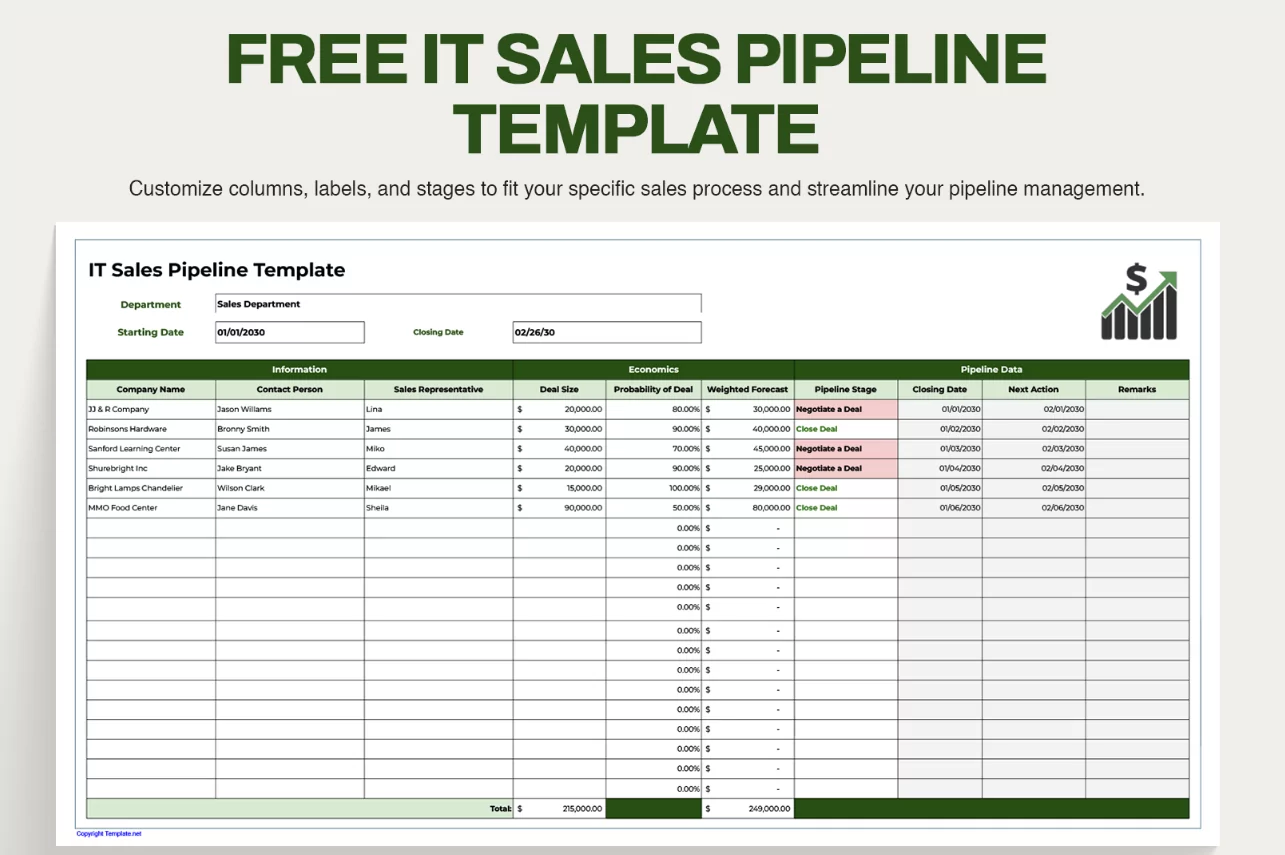
What Is a Sales Pipeline Calendar?
A Sales pipeline calendar is a planning and tracking tool that integrates your sales pipeline with a calendar view. It helps you map out each deal based on its stage and expected closing date.
This approach combines traditional CRM tracking with time-based visibility, giving sales teams a clearer picture of what needs attention and when.
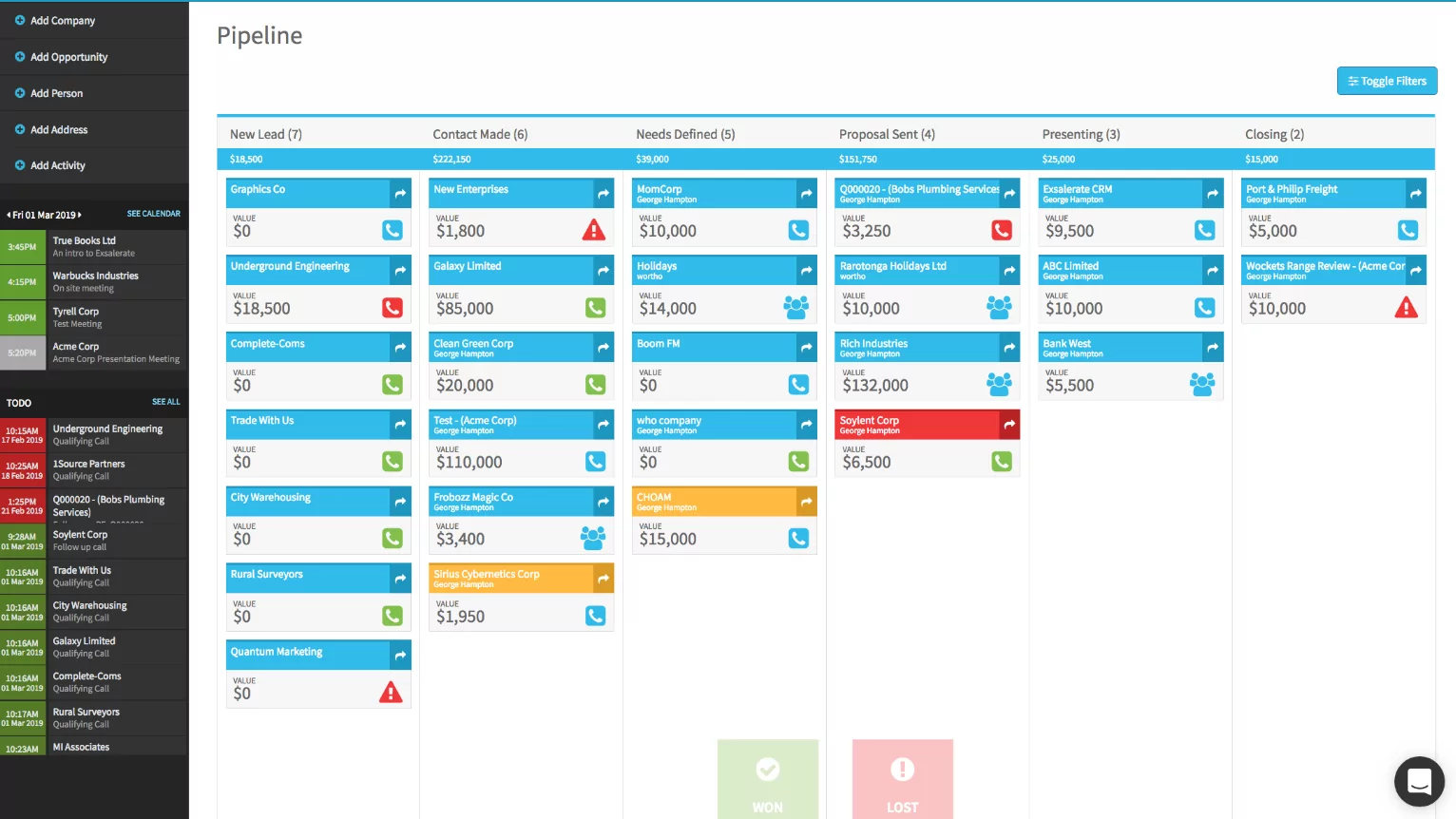
Why B2B Sales Teams Need a Pipeline Calendar
Better Visibility Across Deals
With a calendar view, you can see all your deals lined up by date. This makes it easier to understand workload and prioritize actions.
Improved Time Management
Sales reps can schedule follow-ups, demos, and negotiations more efficiently.
Stronger Forecasting
Tracking expected closing dates helps teams make more accurate revenue forecasts.
Reduced Missed Opportunities
Important deals won’t be forgotten because every stage is tied to a timeline.
Key Stages in a Sales Pipeline
To use a Sales pipeline calendar effectively, it’s important to understand the typical stages of a deal.
- Lead Generation: Identifying potential clients
- Qualification: Determining if the lead is a good fit
- Proposal: Presenting your solution
- Negotiation: Discussing terms and pricing
- Closing: Finalizing the deal
Each of these stages can be assigned a timeline within your calendar.
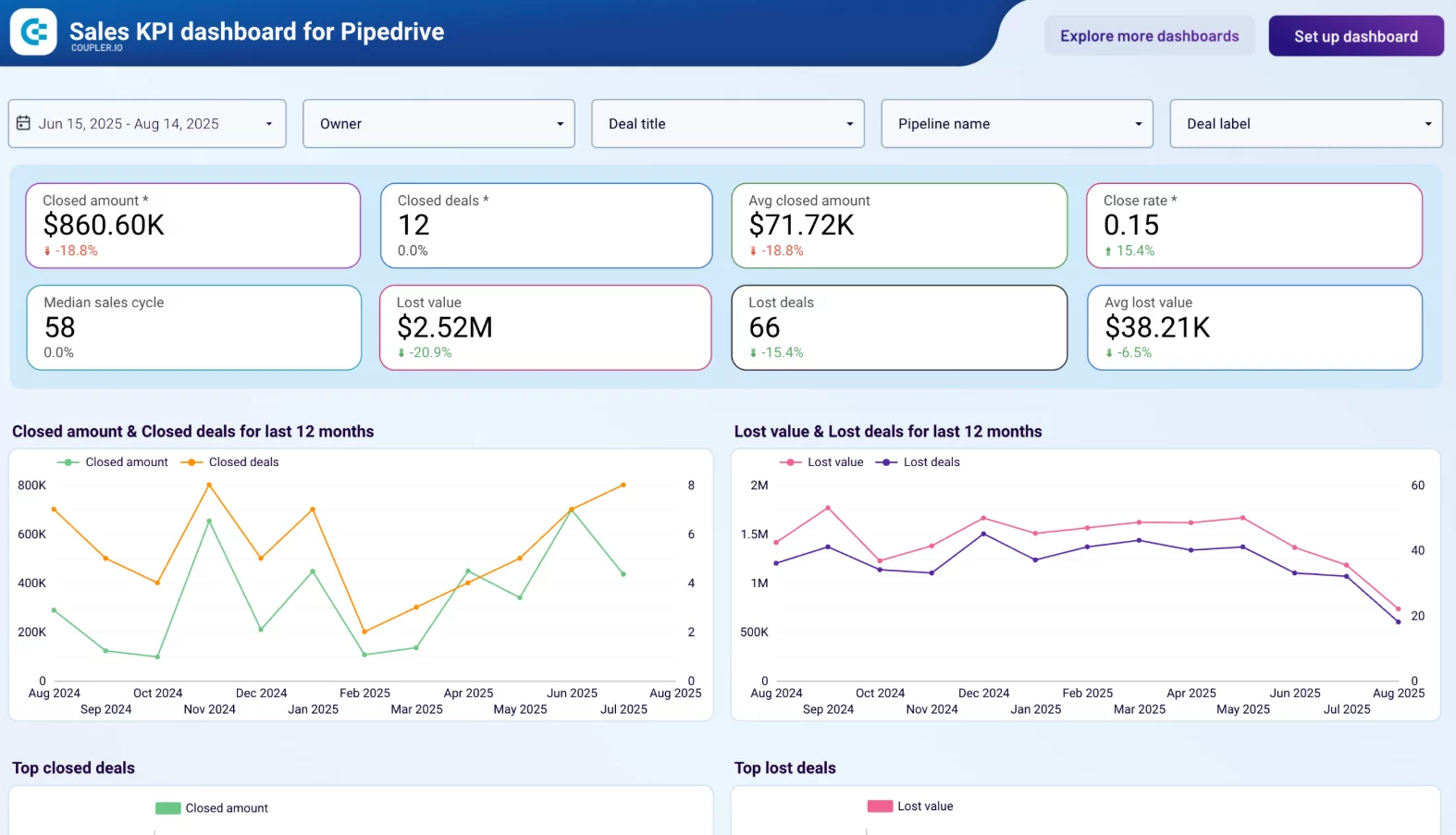
How to Use a Sales Pipeline Calendar Effectively
Map Each Deal to a Timeline
Assign expected dates for each stage of the sales process. This helps you stay organized and proactive.
Schedule Follow-Ups
Consistent follow-ups are critical in B2B sales. Use your calendar to set reminders and keep communication flowing.
Track Closing Dates
Mark expected closing dates clearly so you can prioritize deals that are nearing completion.
Use Color Coding
Different colors can represent different stages, making it easy to understand your pipeline at a glance.
Review Weekly
Regular reviews help you adjust strategies and stay on track.
Benefits of a Sales Pipeline Calendar
Increased Productivity
Sales reps know exactly what to focus on each day.
Better Collaboration
Teams can share calendars to stay aligned and avoid duplication of efforts.
Clear Prioritization
High-value deals can be prioritized based on timelines and urgency.
Enhanced Accountability
Each team member is responsible for updating and managing their pipeline.
Tools That Support Sales Pipeline Calendars
Many CRM platforms and calendar tools now support pipeline visualization. Features often include:
- Integration with CRM systems
- Automated reminders and notifications
- Shared team calendars
- Real-time updates
Choosing the right tool depends on your team size and workflow.
Common Mistakes to Avoid
- Not updating deal stages regularly
- Overloading the calendar with too many tasks
- Ignoring follow-up schedules
- Setting unrealistic closing dates
Consistency and accuracy are key to making your calendar effective.
Tips for B2B Sales Success
Stay Consistent
Update your pipeline daily to maintain accuracy.
Focus on High-Value Deals
Prioritize opportunities that have the highest potential impact.
Communicate Clearly
Keep clients informed and engaged throughout the process.
Use Data to Improve
Analyze past deals to refine your strategy and improve results.
Why Sales Pipeline Calendars Are Essential in 2026
As B2B sales becomes more competitive, teams need better tools to stay organized and efficient. A Sales pipeline calendar provides a clear structure for managing deals and maximizing opportunities.
It helps teams move faster, make better decisions, and close more deals.
Conclusion
A Sales pipeline calendar is more than just a scheduling tool—it’s a strategic asset for B2B sales teams. By combining pipeline tracking with time-based planning, it gives you a complete view of your sales process.
With better visibility, improved organization, and consistent follow-ups, your team can increase productivity and close deals more effectively.
If you’re looking to improve your sales performance, implementing a pipeline calendar is a smart and practical step forward.
