Non-profit organizations face the perpetual challenge of maximizing impact with limited resources. When managing fundraising campaigns quarterly, a tightly structured and strategic communication plan is not optional—it is essential. The core of this plan lies in a robust editorial calendar. This tool transforms chaotic, reactive communication into a proactive, mission-driven narrative that maintains donor engagement throughout the year, crucially timing asks for maximum effect.
This extensive guide provides detailed, actionable editorial calendar strategies specifically designed for non-profit organizations managing the complex workflow of quarterly fundraising campaigns, ensuring consistent messaging and streamlined resource allocation.
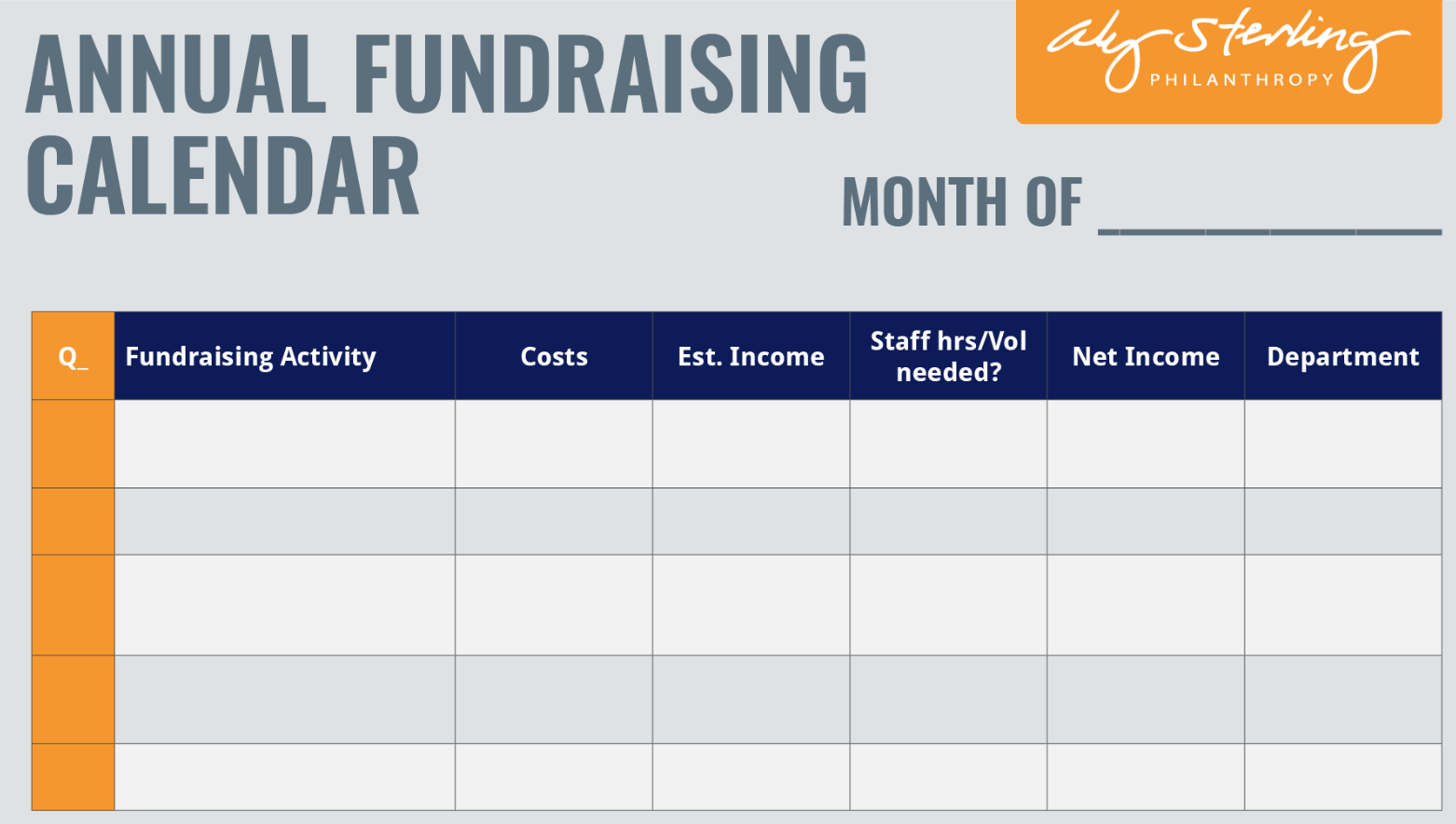
Phase 1: Structuring the Annual Calendar Around Quarterly Campaigns
The non-profit editorial calendar must first align with the four major fundraising cycles of the year. Each quarter ($Q1, Q2, Q3, Q4$) should have a distinct theme and communication goal:
Defining the Quarterly Pillars:
- Q1 (January – March): Often focused on impact reports from the previous year, acknowledging end-of-year donors, and setting the stage for annual goals. Editorial Goal: Transparency and Trust-Building.
- Q2 (April – June): Often centered around specific project milestones or spring giving events. Editorial Goal: Specific Program Showcase and Call-to-Action.
- Q3 (July – September): Typically a quieter period used for stewardship, donor stories, and planning for the year-end push. Editorial Goal: Donor Retention and Relationship Nurturing.
- Q4 (October – December): The critical year-end fundraising campaign, including Giving Tuesday and holiday appeals. Editorial Goal: Urgency, Impact, and Final Ask.
Your editorial calendar should map the full three months of content for each pillar before execution begins, ensuring all stories and data support the quarter’s core fundraising message.
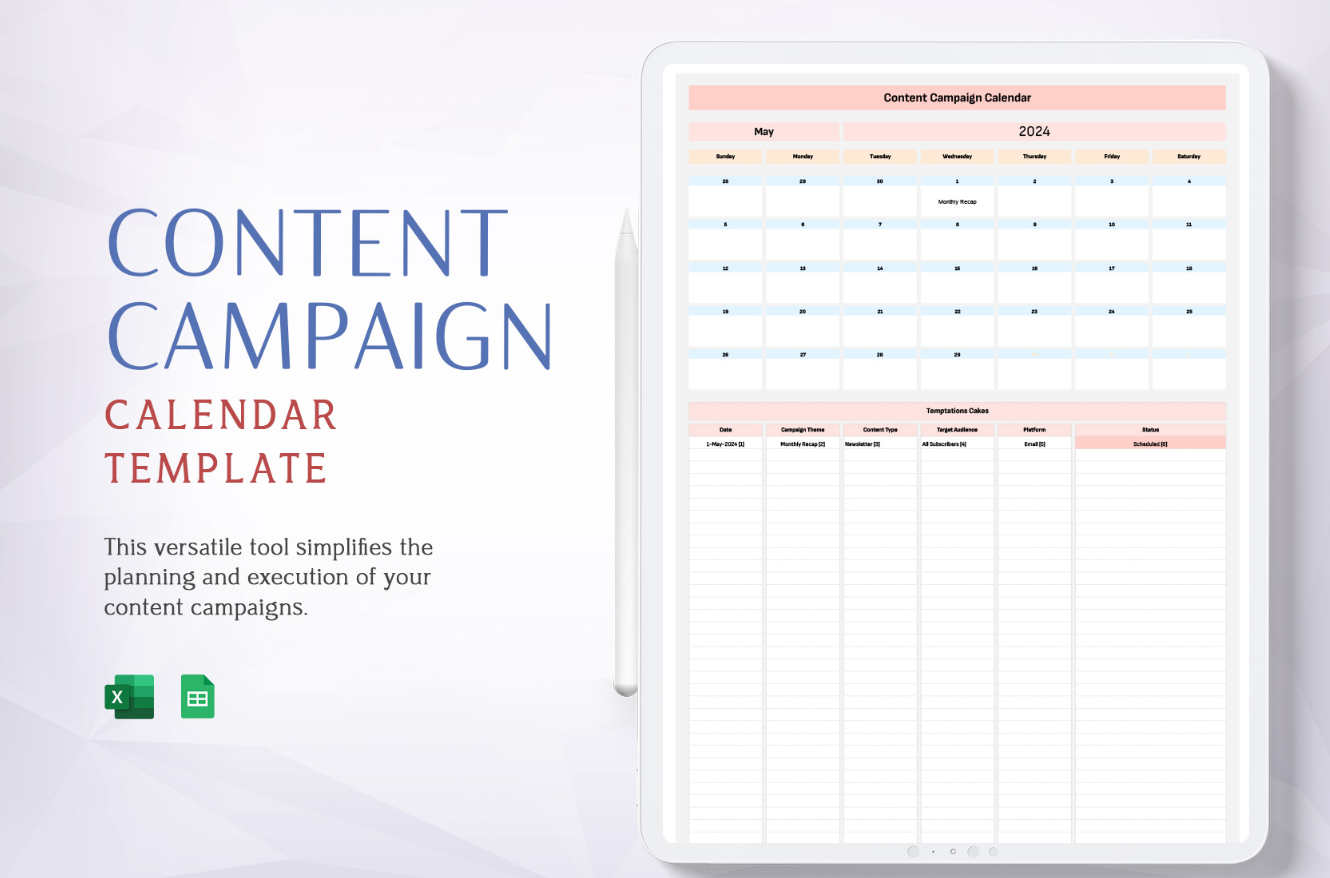
Phase 2: Integrating Content Pillars and Mission Alignment
Effective non-profit communication balances three essential content pillars. The editorial calendar must ensure a healthy mix of these pillars to avoid donor fatigue and keep the mission central:
The Three Content Pillars:
- Mission-Driven Impact (60%): Content directly illustrating the organization’s work—success stories, beneficiary profiles, statistics on progress, and field updates. This content builds emotional connection and justifies the donor’s investment.
- Donor Stewardship (30%): Content focused on thanking, acknowledging, and celebrating the community. This includes thank-you notes, event recaps, volunteer spotlights, and impact summaries. This content drives long-term donor retention.
- Direct Ask/Call-to-Action (10%): Explicit fundraising appeals, campaign launches, event registration links, and urgent needs. By keeping the direct asks minimal and contextually relevant, their impact is amplified.
The editorial calendar acts as the accountability tool, ensuring the communication team maintains this ratio, avoiding the common mistake of only posting direct asks.
Phase 3: Tactical Calendar Mapping and Channel Synchronization
The success of fundraising campaigns quarterly depends on synchronized messaging across various channels (email, social media, blog, print). Your editorial calendar must track every touchpoint:
Essential Tracking Elements in the Calendar:
- Content Type and Format: Specify whether the content is a blog post, short video clip, infographic, email newsletter, or direct mail piece.
- Channel: Clearly designate the platform (Facebook, LinkedIn, Instagram Stories, Donor Email List).
- Publication Date and Time: Precise timing is vital, especially for social media and email blasts coinciding with campaign launches.
- Key Metric/Goal: Assign the primary objective (e.g., website traffic, email sign-ups, donor conversion, or engagement rate).
- Resource Lead: Assign the team member responsible for content creation (e.g., writer, designer, videographer).
Strategy Tip: Use the editorial calendar to plan a Content Funnel. For instance, a long-form Q2 Blog Post about a project success leads to a short, quotable graphic on Instagram, which then drives traffic to the Donor Email Signup form—all mapped sequentially in the calendar.
Phase 4: Leveraging Calendar Data for Fundraising Success
An editorial calendar is not a static list; it’s a living document that must be updated and analyzed based on performance. This analysis drives better results in the subsequent quarter:
Quarterly Review Process:
- Post-Campaign Audit: Immediately after a quarterly fundraising campaign concludes, review the calendar against actual performance data (Google Analytics, email open rates, donation conversion rates).
- Identify High-Performing Stories: Note which mission-driven stories or impact visuals generated the highest engagement and conversions. These narrative frameworks should be replicated and refined in the following quarter.
- Analyze Channel Effectiveness: Determine which channel (e.g., email vs. LinkedIn) performed best for driving traffic vs. direct donations. Adjust resource allocation in the next editorial calendar accordingly.
- Document Lessons Learned: Add notes directly to the completed calendar pages. For example: “Q3 mid-week emails performed poorly; switch to weekend sends for Q4.” This institutional memory is invaluable.
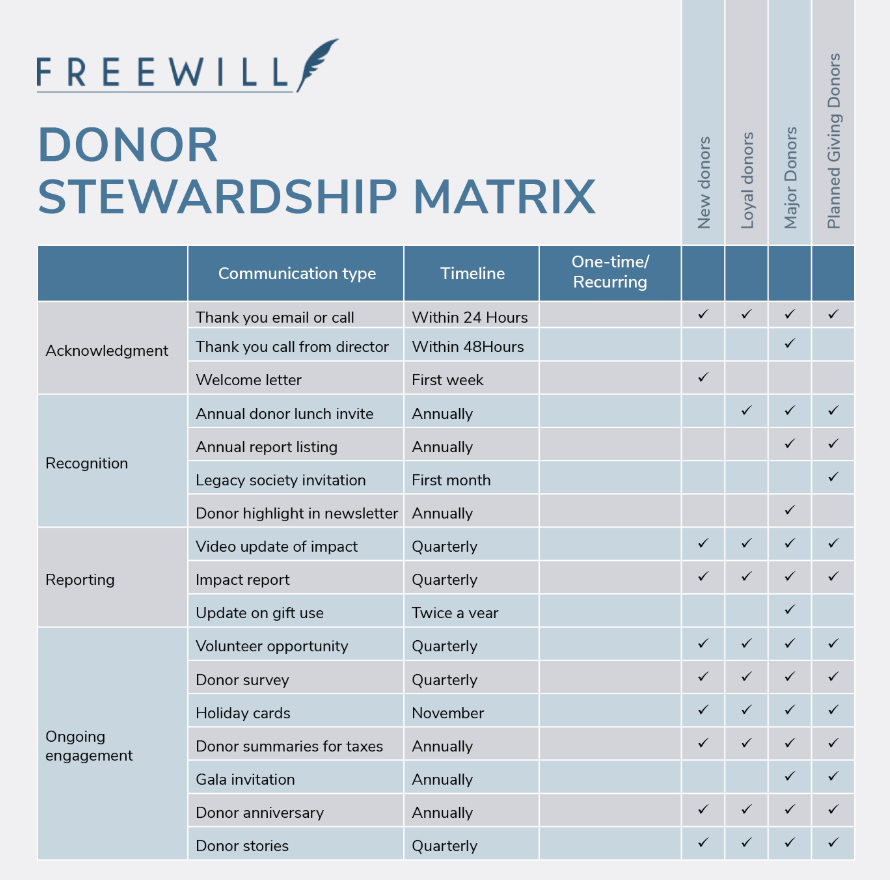
Tools and Templates for Non-Profit Editorial Calendars
While complex project management software exists, simple, accessible tools are often best for resource-constrained non-profits:
- Google Sheets/Excel: The ultimate editable, free, and collaborative tool. Highly customizable with color-coding, filters for specific campaigns, and dedicated columns for metrics and assignments.
- Trello/Asana: Excellent for visual project management. Use boards for each quarterly fundraising campaign and cards for individual content pieces, easily tracking status (Drafting, Review, Scheduled, Published).
- CoSchedule/Buffer (Premium): Ideal for organizations with larger communications teams that need integrated social media scheduling directly linked to the editorial plan.
A well-executed editorial calendar provides the structure needed to manage the high stakes and frequent deadlines associated with non-profit fundraising campaigns quarterly. By aligning every piece of content with the organization’s mission and tracking its performance meticulously, non-profits can build stronger donor relationships and maximize their impact throughout 2026 and beyond.
Plan Your Mission: Download Our Free Editorial Calendar Template for Non-Profits Now!
