The wedding industry in 2026 is faster, more complex, and more collaborative than ever before. Wedding vendors such as planners, photographers, florists, caterers, decorators, and makeup artists must manage multiple timelines, strict deadlines, and overlapping events. To stay competitive and organized, digital calendar solutions have become an essential business tool.
This article explores how digital calendar systems help wedding vendors synchronize timelines, track deadlines, and deliver seamless wedding experiences in 2026.
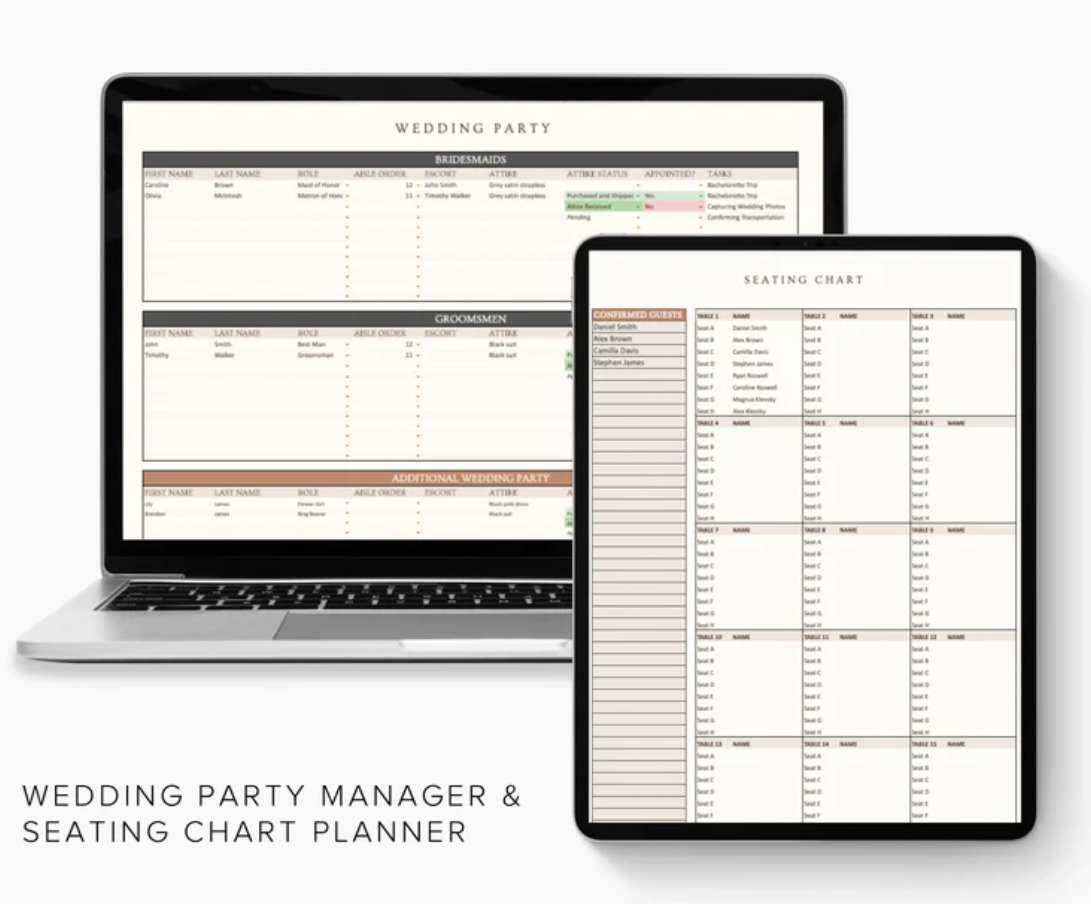
Why Wedding Vendors Need Digital Calendar Solutions in 2026
Every wedding involves dozens of moving parts. From vendor coordination and venue access to payment schedules and event-day execution, missing a single deadline can cause costly disruptions.
Common challenges wedding vendors face include:
- Managing multiple weddings at the same time
- Avoiding double bookings
- Coordinating schedules with multiple vendors
- Tracking payments, contracts, and confirmations
- Handling last-minute changes efficiently
Digital calendars centralize all this information, ensuring accuracy, visibility, and real-time updates.
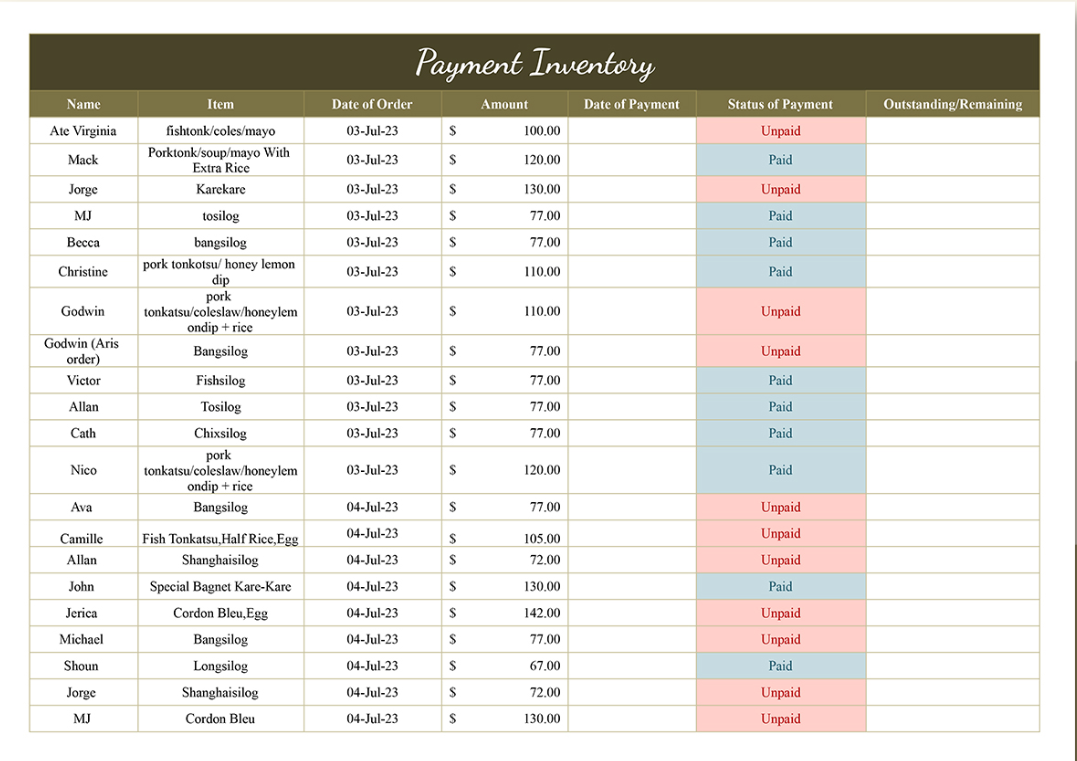
Key Benefits of Digital Calendars for Wedding Vendors
Centralized Wedding Timelines
Digital calendars allow vendors to create individual timelines for each wedding, including consultations, rehearsals, setup schedules, and event-day milestones. This keeps every task clearly defined and easy to monitor.
Real-Time Sync Across Devices and Teams
Modern digital calendars sync instantly across smartphones, tablets, and computers. Any update made by one team member is visible to everyone involved, reducing miscommunication and delays.
Automated Reminders and Deadline Tracking
Automated alerts help vendors stay on top of payment due dates, final confirmations, design approvals, and delivery schedules, minimizing human error.
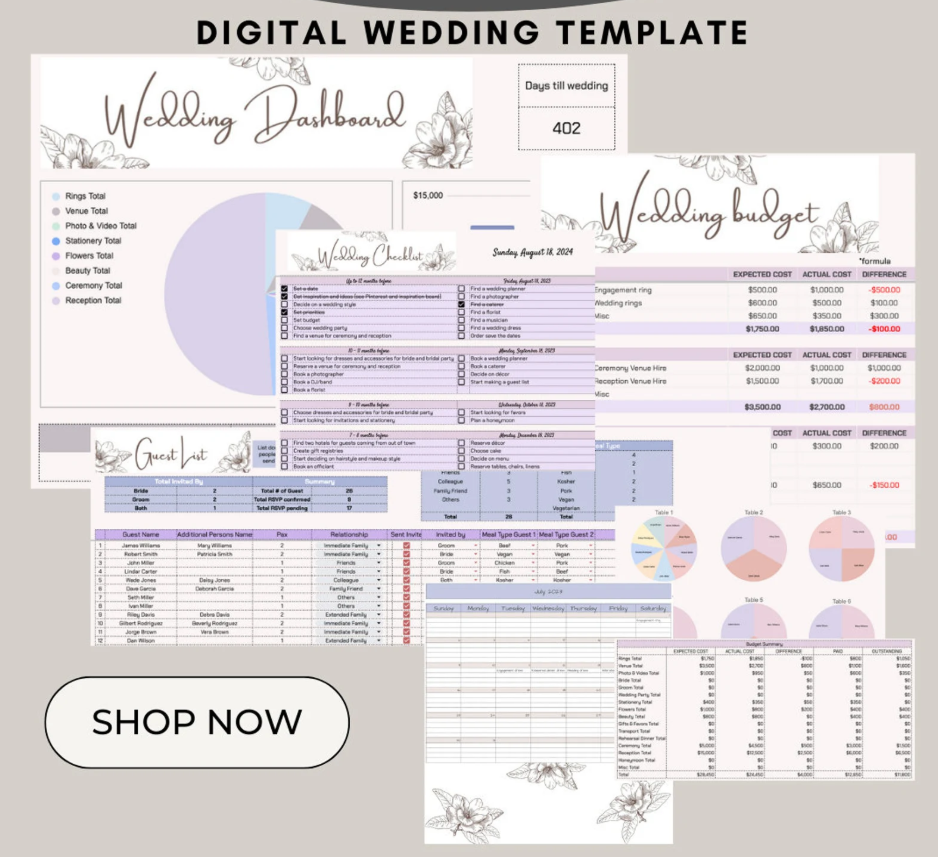
Essential Digital Calendar Features for Wedding Vendors
Multiple Calendar Views
Wedding vendors benefit from separating personal schedules, business operations, and individual client projects. Color-coded calendars help visualize workloads and avoid conflicts.
Shared Access and Permission Control
Digital calendar solutions allow selective access for assistants, freelancers, clients, and partner vendors. This maintains transparency without exposing sensitive information.
Integration with Business Tools
The best calendar systems integrate seamlessly with email platforms, project management tools, cloud storage, and CRM software, creating a smooth end-to-end workflow.
How Wedding Planners Use Digital Calendars Effectively
Wedding planners rely heavily on digital calendars to coordinate every stage of the wedding journey. From the initial consultation to post-event follow-ups, planners use calendars to assign tasks, monitor progress, and adjust timelines when needed.
By synchronizing all vendor schedules, planners ensure everyone is aligned on the wedding day.
Benefits for Specialized Wedding Vendors
Photographers and Videographers
Digital calendars help schedule shoots, rehearsals, editing deadlines, and delivery timelines while preventing overlapping bookings.
Florists and Decorators
Florists use calendars to track flower orders, delivery times, setup windows, and coordination with venues.
Caterers and Bakers
Caterers manage tastings, final guest counts, food preparation schedules, and service timelines through shared digital calendars.
Enhancing Client Experience with Calendar Transparency
Couples expect clarity and professionalism. Sharing key milestones through digital calendars reduces repetitive communication and builds trust throughout the planning process.
Digital Calendar Trends for Wedding Vendors in 2026
In 2026, digital calendar solutions offer advanced features such as AI-assisted scheduling, predictive deadline alerts, cloud backups, and offline access. These innovations help wedding vendors scale their businesses while maintaining service quality.
Best Practices for Implementing Digital Calendars
- Use standardized timeline templates
- Apply consistent naming conventions
- Add buffer time between events
- Review schedules weekly
- Maintain calendar backups
Conclusion
Digital calendar solutions are no longer optional for wedding vendors in 2026. They are essential tools for syncing timelines, managing deadlines, improving collaboration, and delivering flawless wedding experiences.
By adopting a well-structured digital calendar system, wedding vendors can reduce stress, increase productivity, and focus on creating unforgettable moments for their clients.
FAQ
Q1: Why are digital calendars important for wedding vendors?
Digital calendars help wedding vendors manage timelines, deadlines, and multiple events efficiently while avoiding double bookings and missed tasks.
Q2: Can wedding vendors share digital calendars with clients?
Yes. Most digital calendar solutions allow limited or view-only access so clients can see key milestones without editing the schedule.
Q3: What features should wedding vendors look for in a digital calendar?
Essential features include real-time syncing, automated reminders, shared access, multiple calendar views, and integration with business tools.
Q4: Are digital calendars useful for small wedding businesses?
Absolutely. Even solo vendors benefit from better organization, professionalism, and time management using digital calendars.
Q5: How do digital calendars improve wedding-day execution?
They ensure every vendor follows the same timeline, reducing confusion and allowing smooth coordination on the wedding day.
