Becoming a new homeowner is an exciting milestone, but it also comes with significant responsibilities. One of the most important tasks is understanding and maintaining your home properly. Without a structured household maintenance calendar, you risk expensive repairs, reduced property value, and potential safety hazards. This comprehensive guide provides new homeowners with a first-year checklist and seasonal maintenance tasks to keep your home in optimal condition.
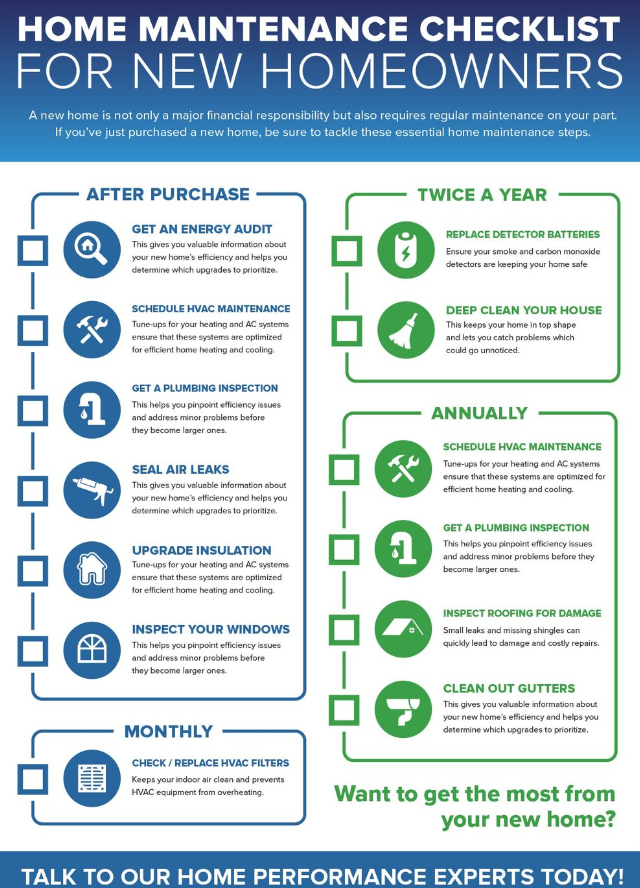
Why a Household Maintenance Calendar Matters for New Homeowners
Many new homeowners are unaware of the importance of regular maintenance. Unlike renting, where the landlord typically handles repairs, homeownership puts the responsibility squarely on your shoulders. A well-planned maintenance calendar helps you:
- Prevent costly emergency repairs by addressing small issues before they become major problems
- Extend the lifespan of major systems like HVAC, plumbing, and electrical
- Maintain your home’s resale value and curb appeal
- Ensure your family’s safety by catching potential hazards early
- Budget effectively by knowing when major expenses will occur
- Keep warranty documentation organized and up-to-date
First-Year Homeowner Checklist: Essential Tasks Before Your First Year Ends
During your first year of homeownership, focus on establishing baseline knowledge about your home’s systems and addressing any immediate issues:
Documentation and Inspection
Start by creating a home inventory and gathering all documentation. Walk through your home systematically and document the condition of walls, floors, appliances, and fixtures. Schedule a professional home inspection if you haven’t already done so. Locate and label your main water shut-off valve, electrical panel, and gas valve. Keep all receipts, warranties, and manuals for appliances and systems. This information will be invaluable for future maintenance and when you eventually sell your home.
HVAC System Maintenance
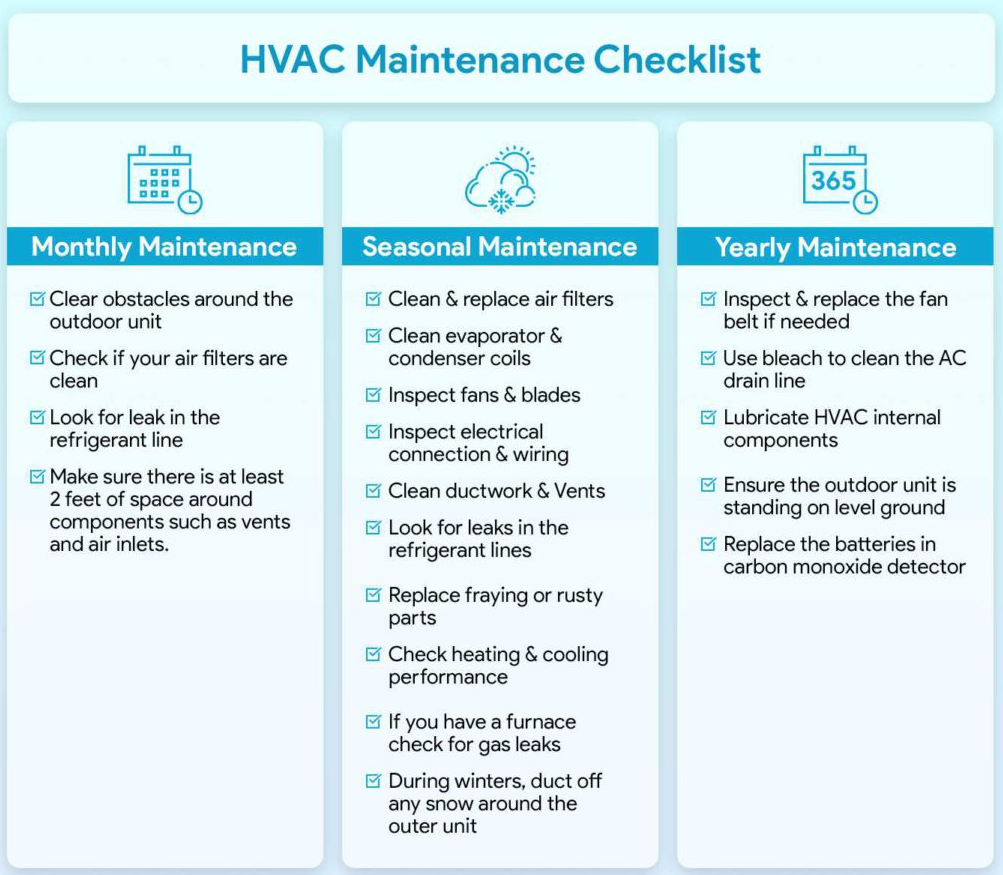
Have your heating and cooling system professionally inspected and serviced. Change or clean your air filters monthly or as recommended by the manufacturer. Learn how to operate your thermostat and set it for energy efficiency. Ask your HVAC technician about the expected lifespan of your system so you can plan for replacement in the future.
Plumbing and Water Systems
Inspect all visible pipes under sinks and in basements for leaks or corrosion. Test all faucets and toilets to ensure they work properly and don’t leak. Learn how to use a plunger effectively and know where to find a reliable plumber before an emergency occurs. If your home has a water heater, note the age and condition. Establish a relationship with a trusted plumber for future reference.
Electrical System Review
Have a licensed electrician inspect your electrical panel and identify any potential issues. Test all outlets and switches to ensure they work properly. Learn the location of your circuit breaker panel and how to safely reset a tripped breaker. If your home has older wiring, discuss potential safety concerns with an electrician.
Roofing and Exterior Assessment
Safely inspect your roof from the ground using binoculars, or hire a professional if you’re uncomfortable doing this yourself. Look for missing, damaged, or curling shingles. Check gutters and downspouts for debris and proper water drainage. Inspect siding, windows, and doors for gaps, cracks, or water damage. Document any issues and prioritize repairs.
Foundation and Basement Inspection
Check your foundation for cracks, water stains, or signs of moisture. Look for any obvious structural issues or settling. If you have a basement, inspect for water damage, mold, or pest entry points. Note any cracks and monitor them over time to see if they worsen. Small cracks may be cosmetic, but large or growing ones warrant professional evaluation.
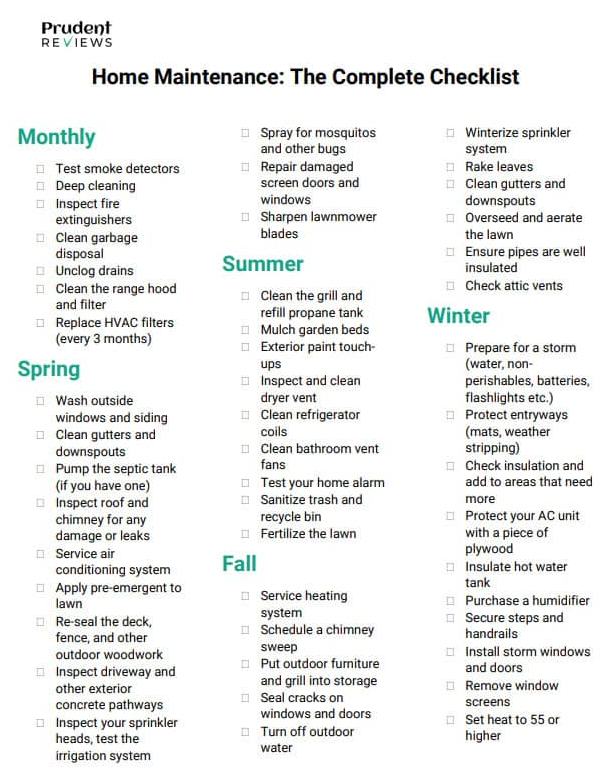
Spring Maintenance Tasks
Spring is the perfect time to prepare your home after winter and address any cold-weather damage:
- Exterior inspection: Check for winter damage to roof, siding, and gutters. Look for icicle damage and verify gutters are securely attached.
- HVAC transition: Have your air conditioning system serviced before the hot season begins. Clean or replace furnace filters.
- Plumbing check: Inspect outdoor faucets and sprinkler systems for winter damage. Test sump pumps if applicable.
- Landscaping: Trim tree branches hanging over the roof. Remove debris from gutters and downspouts.
- Pest prevention: Seal cracks and gaps around foundation, windows, and doors. Check weatherstripping and caulking.
- Power washing: Clean siding, deck, and driveway of winter dirt and mold growth.
Summer Maintenance Tasks
Summer maintenance focuses on keeping systems running efficiently during peak usage and preventing weather-related damage:
- Air conditioning: Monitor and replace AC filters monthly. Keep outdoor condenser unit clear of debris and vegetation.
- Roof and attic: Check attic for adequate ventilation and insulation. Look for any roof leaks or water staining.
- Exterior maintenance: Touch up paint on siding, trim, and doors. Inspect and repair any cracks in driveway or walkways.
- Deck and patio: Clean and inspect wooden decks for rot or splintering. Seal or stain as needed.
- Grading and drainage: Ensure water drains away from your foundation during heavy rains. Check for pooling water around the home.
- Windows and screens: Clean windows inside and out. Repair any damaged screens and ensure they close properly.
Fall Maintenance Tasks
Fall is critical for preparing your home for winter weather and addressing issues before cold temperatures arrive:
- Heating system: Have your furnace or heating system professionally serviced before winter. Replace filters and ensure it starts properly.
- Chimney and fireplace: Have chimneys professionally cleaned and inspected before using. Check dampers and flashing.
- Roof and gutters: Clear gutters of leaves and debris. Inspect roof for damaged shingles or areas that need sealing.
- Weatherproofing: Check weatherstripping and caulking around windows and doors. Repair or replace damaged areas to prevent drafts.
- Outdoor preparation: Drain and store garden hoses. Turn off outdoor water if you have a shut-off valve.
- Yard work: Rake leaves, trim tree branches, and clear gutters. Prepare landscaping for winter dormancy.
Winter Maintenance Tasks
Winter maintenance focuses on preventing cold-weather damage and maintaining interior comfort:
- Heating system: Monitor furnace performance. Listen for unusual noises and ensure heat is distributing evenly throughout the home.
- Insulation: Check attic insulation levels and add more if needed. Inspect pipes in unheated areas for freezing risk.
- Plumbing protection: Drip faucets during freezing temperatures to prevent pipes from bursting. Insulate exposed pipes.
- Interior inspection: Look for signs of water leaks from snow and ice. Check basement or crawl space for moisture.
- Door and window seals: Monitor for drafts around doors and windows. Reapply caulk or weatherstripping if needed.
- Chimney and fireplace: Use fireplace safely and ensure proper ventilation. Clean ash regularly.
Monthly Maintenance Tasks Year-Round
These tasks should be performed consistently throughout the year, regardless of season:
- Replace HVAC filters (typically every 1-3 months depending on filter type)
- Test smoke and carbon monoxide detectors
- Inspect visible plumbing for leaks under sinks and around toilets
- Check basement or crawl space for water, pests, or mold
- Inspect appliances for proper operation and leaks
- Clean range hood filters and dryer vents
- Monitor water heater for rust or leaks
- Test GFCI outlets in bathrooms and kitchens
Creating Your Custom Maintenance Calendar
To create an effective maintenance calendar for your specific home:
Step 1: Identify Your Home’s Systems
List all major systems and appliances in your home: HVAC, plumbing, electrical, roofing, water heater, appliances, etc. Note the age and condition of each.
Step 2: Research Manufacturer Recommendations
Consult manuals and manufacturer guidelines for recommended maintenance intervals. This information is often available online if you don’t have the original manuals.
Step 3: Schedule Tasks by Season
Organize tasks based on when they should be performed. Some tasks are seasonal, while others occur monthly or as-needed.
Step 4: Choose a Calendar Format
Use a digital calendar (Google Calendar, Outlook), spreadsheet, or dedicated home maintenance app. Set reminders for important tasks.
Step 5: Document and Track
Keep records of all maintenance performed, repairs made, and costs incurred. This documentation is valuable for warranty claims and future reference.
Tools and Resources for Home Maintenance Tracking
Several tools can help you stay organized with your maintenance schedule:
- Google Calendar: Create a shared calendar with reminders for seasonal maintenance tasks.
- Home Maintenance Apps: Apps like HomeZada, Centriq, and Handiwork provide dedicated platforms for tracking maintenance.
- Spreadsheets: Create a custom spreadsheet with columns for task, frequency, last completed, and next due date.
- Paper Checklist: Print seasonal checklists and post them in your home as visual reminders.
- Binder System: Keep a physical binder with warranties, manuals, invoices, and maintenance records organized by system.
Frequently Asked Questions About Home Maintenance
How much should I budget for annual home maintenance?
Financial experts typically recommend budgeting 1-2% of your home’s purchase price annually for maintenance and repairs. For a $300,000 home, that’s $3,000-$6,000 per year. This covers routine maintenance, minor repairs, and helps build reserves for major replacements.
What happens if I skip regular maintenance?
Skipping maintenance can lead to expensive problems. Small issues like a leaky faucet can become major water damage. Neglected HVAC systems work less efficiently and fail prematurely. Your home’s value decreases, and you may face safety hazards. Regular maintenance prevents these expensive problems.
When should I hire a professional versus doing it myself?
Simple tasks like changing filters or cleaning gutters can be DIY projects. However, hire professionals for electrical work, plumbing repairs, HVAC servicing, and roof inspections. These require specialized knowledge and licenses. When in doubt, consult a professional.
How do I know if my home needs major repairs?
Watch for warning signs like water stains, unusual noises, visible damage, mold, pest evidence, or system malfunctions. Have professional inspections done for major systems, especially before issues become critical. Keep detailed records to track deterioration over time.
Should I keep all my home maintenance records?
Yes, absolutely. Keep records of all maintenance and repairs for at least as long as you own the home. These records are valuable for warranty claims, insurance purposes, and when you sell your home. They demonstrate that you’ve maintained the property properly.
Conclusion
A well-planned household maintenance calendar is one of the best investments new homeowners can make. By following a systematic approach to seasonal tasks, performing monthly checks, and addressing issues promptly, you’ll protect your home’s value, ensure your family’s safety, and avoid expensive emergency repairs. Start with the first-year checklist, establish a maintenance routine, and use your preferred calendar system to stay organized. Your future self will thank you for the time and effort invested in proper home maintenance today.
FREQUENTLY ASKED QUESTIONS ABOUT HOUSEHOLD MAINTENANCE CALENDAR FOR NEW HOMEOWNERS
What is the most important maintenance task new homeowners should prioritize in their first year?
The most critical task is having a professional home inspection to understand your home’s systems and identify any immediate issues. Following that, establish a baseline by documenting the condition of all major systems: HVAC, plumbing, electrical, roofing, and foundation. This knowledge helps you plan future maintenance and catch problems early. Additionally, locate and learn how to operate your main water shut-off valve and electrical panel—these are essential for handling emergencies.
How much should new homeowners budget annually for home maintenance?
Financial experts recommend budgeting 1-2% of your home’s purchase price annually for maintenance and repairs. For example, if you purchased your home for $300,000, set aside $3,000-$6,000 per year. This budget covers routine maintenance tasks, minor repairs, and helps you build reserves for major system replacements like HVAC units or roofing. Having this budget prevents financial stress when unexpected issues arise.
Can I perform all home maintenance tasks myself, or do I need to hire professionals?
Simple tasks like changing air filters, cleaning gutters, and basic landscaping can be DIY projects if you’re comfortable with them. However, hire licensed professionals for electrical work, plumbing repairs, HVAC servicing, roof inspections, and foundation issues. These require specialized knowledge, proper tools, and licenses to ensure safety and compliance with building codes. When in doubt, consult a professional rather than risk damaging your home or creating safety hazards.
What warning signs indicate my home needs urgent repairs or professional inspection?
Watch for these warning signs: water stains on ceilings or walls, unusual noises from HVAC or plumbing systems, visible cracks in foundation or walls, mold or mildew growth, pest evidence, roof damage, electrical outlet problems, or appliance malfunctions. Additionally, if your home is older and you’re unsure about system conditions, schedule professional inspections for major systems. Early detection prevents small problems from becoming expensive disasters.
How long should I keep home maintenance and repair records?
Keep all maintenance and repair records for as long as you own your home. These documents are valuable for warranty claims, insurance purposes, proving system maintenance for resale, and helping future owners understand your home’s history. Organize records by system (HVAC, plumbing, electrical, etc.) and include dates, contractor information, work performed, and costs. Digital backups ensure you don’t lose important documentation.
