A seasonal travel calendar for Europe can make the difference between a rushed trip and a well-planned travel experience. Europe changes dramatically throughout the year, and each season brings different weather patterns, cultural events, price shifts, and tourist volumes. For travelers who want to balance comfort, local experiences, and smarter budgeting, understanding the rhythm of the continent is essential.
Some visitors choose Europe for sunny coastlines and long summer days, while others are more interested in Christmas markets, spring blooms, or quiet city breaks in the off-season. That is why seasonal planning matters. The best time to visit Europe depends not only on the destination, but also on your goals, travel style, and tolerance for crowds.
Why a Seasonal Travel Calendar for Europe Matters
Europe is not a one-season destination. Weather, transportation, hotel pricing, and local energy can vary widely between countries and even between neighboring regions. A city break in Southern Europe may feel completely different from a mountain escape in Central Europe or a coastal trip in Northern Europe during the same month.
Using a seasonal travel calendar for Europe helps travelers decide when to go based on what matters most. Some people prioritize warm weather and beach holidays, while others look for shoulder season travel, lower accommodation costs, local festivals, or crowd-free tourism times. A seasonal approach makes travel planning more realistic and more rewarding.
Spring in Europe: Mild Weather and Fresh City Breaks
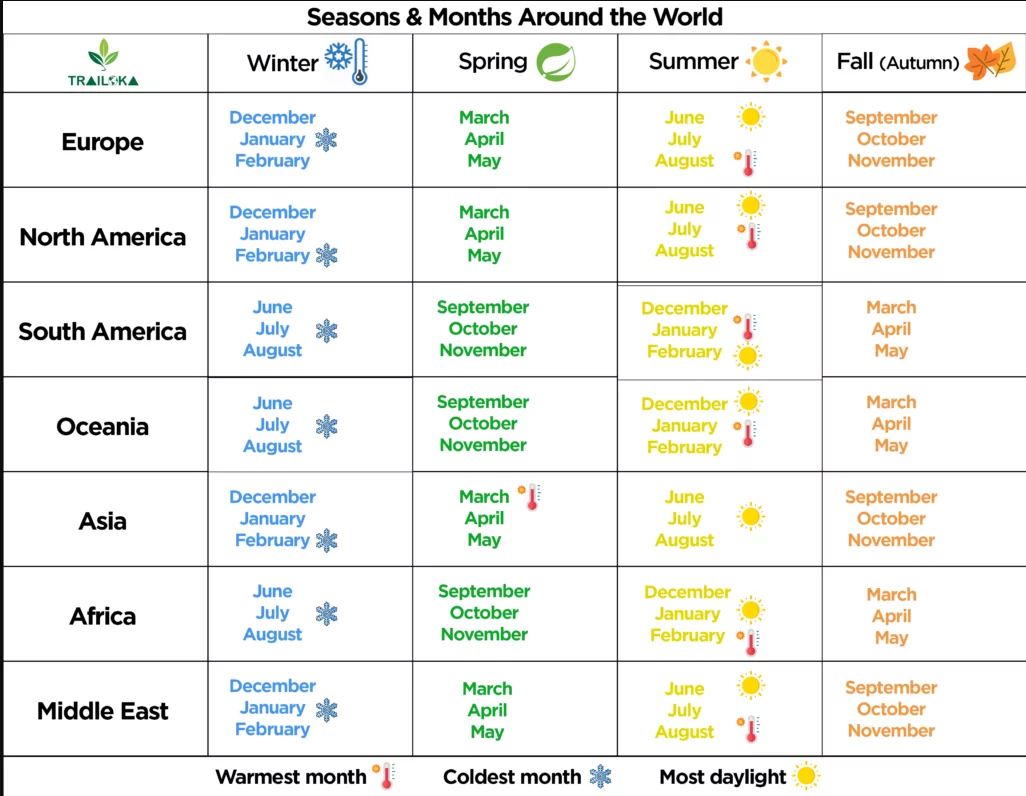
Spring is one of the most appealing times to visit Europe for travelers who want balanced weather and lighter crowds. From March to May, many destinations begin to warm up, parks and gardens come alive, and historic cities feel more walkable after winter. This is often a strong season for European city breaks, scenic rail travel, and cultural sightseeing.
Spring also works well for travelers interested in shoulder season Europe trips. Popular places like Paris, Rome, Amsterdam, and Prague can feel more comfortable before the heaviest summer rush begins. Prices may still be more manageable than peak season, especially in early spring, making this period attractive for flexible travelers.

Best Spring Travel Experiences
Spring is ideal for flower festivals, café culture, and sightseeing-heavy itineraries. It is a good time to explore museums, old towns, riverfront districts, and food markets without the intense heat found later in the year. For many travelers, spring offers one of the best combinations of weather and atmosphere.
This season also suits travelers looking for crowd-free tourism times in Europe’s major capitals. While Easter periods can increase visitor numbers in some places, much of spring still offers a calmer pace than midsummer.
Summer in Europe: Festivals, Coastlines, and Peak Travel Demand
Summer is the busiest tourism season across much of Europe. From June to August, travelers arrive for school holidays, beach escapes, music festivals, island hopping, and long daylight hours. This is the season many people imagine first when planning Europe travel, especially for Mediterranean destinations.
At the same time, summer often brings peak pricing and heavier crowds. Hotels, flights, and attractions can become much more expensive, especially in high-demand areas such as Italy, France, Spain, Greece, and Portugal. A seasonal travel calendar for Europe helps travelers prepare for this by booking early or choosing less crowded alternatives.
When Summer Makes the Most Sense
Summer is perfect for travelers who want coastal scenery, outdoor dining, beach towns, and major cultural events. It is also a strong season for festival travel in Europe, with music events, local celebrations, and open-air performances happening across the continent.
However, not every part of Europe needs to be crowded in summer. Northern Europe can be especially appealing during this season, with pleasant temperatures, long evenings, and nature-focused experiences that feel different from the packed southern coastlines.
Autumn in Europe: Lower Crowds and Rich Local Atmosphere
Autumn is often one of the most underrated times to visit Europe. From September to November, many destinations begin to quiet down after the summer peak, but they still retain good weather in early autumn. This makes it an excellent period for travelers looking for shoulder season Europe advantages.
The season is especially appealing for food lovers, wine region visits, countryside drives, and slower travel. In many places, early autumn combines comfortable temperatures with a more local atmosphere, allowing visitors to enjoy famous destinations with less pressure and fewer queues.
Why Autumn Appeals to Smart Travelers
Autumn suits people who want crowd-free tourism times without sacrificing cultural depth. It is also a practical time for budget-conscious travelers because prices often soften after the summer rush. Cities, villages, and scenic regions can feel more relaxed, making the experience more personal and less rushed.
For many travelers, September is one of the best months in a seasonal travel calendar for Europe. It often keeps much of the summer charm while reducing some of the intensity that comes with July and August.
Winter in Europe: Christmas Markets, Snow Trips, and Quiet Escapes
Winter offers a completely different side of Europe. From December to February, travelers can experience festive city centers, alpine villages, snow sports, and famous Christmas markets. In some destinations, winter creates a magical atmosphere that is difficult to match in any other season.
It can also be a strategic time for off-season Europe travel, especially for those who want lower prices in certain cities outside the holiday period. While some destinations become busy during Christmas and New Year, others are much quieter, which can be ideal for travelers seeking a slower urban experience.
Winter Travel Styles Across Europe
Winter in Europe is highly destination-dependent. Central and Northern Europe may offer festive traditions, snowy scenery, and winter culture, while parts of Southern Europe can remain comparatively mild and suitable for relaxed sightseeing. This creates options for both winter lovers and travelers trying to avoid extreme cold.
For travelers interested in seasonal contrast, winter is one of the most distinctive periods on the European travel calendar. It is especially useful for themed trips focused on holiday markets, ski travel, or peaceful off-season exploration.
How Weather Patterns Affect Travel Decisions
Weather patterns across Europe are one of the biggest reasons seasonal planning matters. Southern Europe tends to have hotter summers and milder winters, while Northern Europe often experiences cooler temperatures and more dramatic seasonal daylight changes. Mountain regions add another layer of variation, especially for snow and hiking conditions.
This means travelers should avoid thinking of Europe as a single climate zone. A beach holiday in Greece, a cultural weekend in Vienna, and a fjord trip in Norway may all require very different timing even within the same broader season. A seasonal travel calendar for Europe helps organize those differences more clearly.
Festivals and Cultural Timing
Local festivals can shape a trip just as much as weather. Some travelers intentionally plan around famous events, while others prefer to avoid periods when accommodation is limited and prices rise quickly. Festivals can add energy, tradition, and memorable local character, but they also affect crowd levels.
That is why travel timing should include both climate and event calendars. A destination may look ideal in terms of temperature, but a major festival week could completely change the visitor experience. Good planning means understanding both sides before booking.
Finding Crowd-Free Tourism Times
Travelers who want a calmer experience often do best in the shoulder seasons. Late spring and early autumn are usually the strongest options for crowd-free tourism times in Europe because they balance reasonable weather with more comfortable visitor numbers. These months often create a better overall experience for museums, old towns, transport, and hotel stays.
Off-season Europe travel can also work well for those who care more about atmosphere and value than swimming weather. In many cases, the quieter months reveal a more local side of European destinations that is harder to notice during peak tourism season.
Tips for Using a Seasonal Travel Calendar for Europe
- Match your destination to the season instead of treating all of Europe the same.
- Use shoulder season Europe periods for better balance between weather and crowds.
- Check local festival calendars before booking flights and hotels.
- Consider Northern Europe in summer and Southern Europe in spring or autumn.
- Use off-season Europe travel for lower prices and a slower pace.
- Think about your priorities first, such as beaches, culture, food, scenery, or budget.
A seasonal travel calendar for Europe helps travelers make smarter choices about timing, budget, and experience. Instead of asking only where to go, it encourages a more useful question: when should you go for the kind of trip you actually want?
Once you understand Europe through the lens of seasons, weather patterns, festivals, and tourism flow, planning becomes much easier. The result is not just a better itinerary, but a trip that feels more aligned with your travel goals from the beginning.
