Building a successful YouTube channel in the vegan lifestyle niche requires more than passion for plant-based living—it demands consistent, strategic content planning. A well-organized YouTube content calendar is the backbone of sustainable growth for small creators, helping you balance recipe videos, educational content, lifestyle vlogs, and community engagement without burnout. This comprehensive guide provides practical templates, planning strategies, and proven tactics specifically tailored to vegan lifestyle creators just starting their YouTube journey.
Why a Content Calendar is Essential for Small Vegan YouTube Creators
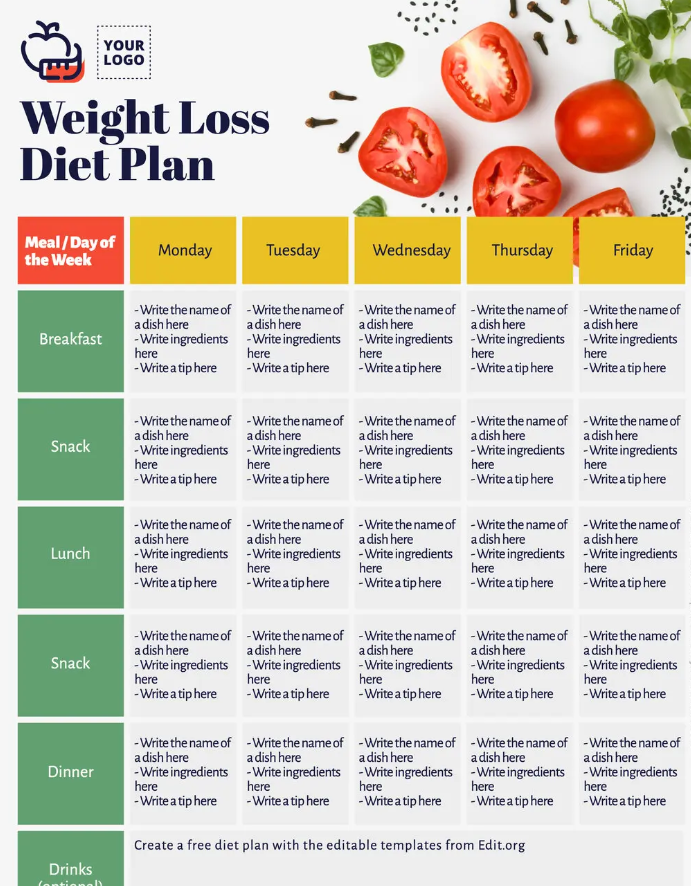
Small channel creators often struggle with inconsistent uploads, lack of content direction, and difficulty balancing multiple video ideas. A structured content calendar solves these challenges by providing a centralized planning system that ensures regular uploads, diverse content mix, and strategic alignment with audience interests. For vegan lifestyle creators specifically, a calendar helps coordinate recipe seasonality, align with vegan awareness dates (Veganuary, World Vegan Day), and plan collaborative content with other creators in the plant-based community.
- Maintains consistent upload schedules that boost YouTube algorithm performance and viewer expectations
- Prevents content gaps and “creator’s block” by mapping ideas weeks or months in advance
- Enables balanced content mix—combining recipes, lifestyle tips, product reviews, and educational videos
- Coordinates with seasonal trends and vegan community events for maximum engagement
- Allows time for pre-production planning, filming batches, and editing without last-minute stress
- Tracks performance metrics against planned content types to refine future strategies
Understanding the Vegan Lifestyle YouTube Audience
Before building your content calendar, understand what vegan lifestyle audiences want. Research shows viewers follow vegan creators for practical recipes, ethical sourcing information, budget tips, health guidance, and community belonging. Small channels succeed by focusing on underserved sub-niches rather than competing with established creators on generic topics.
- Quick, Budget-Friendly Recipes: Viewers want achievable meals they can make today, not expensive restaurant-quality productions
- Authenticity & Personal Story: People connect with creators sharing genuine transitions to veganism, not polished persona
- Educational Value: Myth-busting videos, nutritional breakdowns, and ethical sourcing information rank highly in search and recommendations
- Community Inclusion: Responding to comments, featuring viewer stories, and creating challenges builds loyal audiences
- Seasonal Content: Plant-based alternatives to holiday meals, seasonal produce recipes, and wellness themes perform strongly
Core Content Pillars for Vegan Lifestyle Channels
Organize your channel around 4-5 repeating content pillars. This approach maintains variety while establishing recognizable patterns that viewers come to expect. These pillars should align with your unique angle as a creator.
1. Recipe & Cooking Videos (40-50% of content)
This is your foundation. Create themed series such as “5-Ingredient Vegan,” “Plant Power in 15 Minutes,” “Budget Vegan Meals Under $3,” or “Vegan Meal Prep Mastery.” Recipe videos should include clear ingredient lists, step-by-step instructions, nutritional information, and cost breakdowns. Small creators succeed by identifying underserved recipe categories rather than competing with established food channels.
2. Educational & Myth-Busting Content (20-30% of content)
Videos addressing common questions and misconceptions perform exceptionally well. Examples include “Where Vegans Get Protein,” “Is Vegan Food Really More Expensive?,” “5 Vegan Myths Debunked,” and “How to Read Vegan Labels.” This content ranks well in YouTube search, builds authority, and attracts viewers considering veganism.
3. Lifestyle & Personal Stories (15-20% of content)
Share authentic moments from your vegan journey—grocery hauls, restaurant visits, traveling vegan, ethical product reviews, and day-in-the-life vlogs. This content humanizes your channel and builds emotional connection with viewers beyond just recipes.
4. Collaborations & Community Features (10-15% of content)
Feature other vegan creators, interview guests, respond to viewer suggestions, and participate in viral challenges within the vegan community. Collaborations expand your reach through cross-promotion and introduce your content to adjacent audiences.
YouTube Content Calendar Template for Vegan Creators
Month-at-a-Glance Planning Framework
Use this structure to plan each month of content:
WEEK 1: Theme – Foundation Building
- Monday: Recipe Video – “5-Ingredient [Seasonal Vegetable] Meal”
- Wednesday: Educational Video – Myth-busting on common misconception
- Friday: Lifestyle Vlog – Grocery haul or meal prep session
WEEK 2: Theme – Deep Dives
- Monday: Recipe Series – Multi-part cooking (breakfast, lunch, dinner theme)
- Wednesday: Product Review – Vegan substitute or new plant-based product
- Friday: Community Feature – Viewer story or vegan business spotlight
WEEK 3: Theme – Engagement & Collaboration
- Monday: Budget Challenge – “Create meal under $X budget” video
- Wednesday: Collaboration – Another creator guest appearance
- Friday: Challenge Response – Participate in community challenge or trend
WEEK 4: Theme – Month Recap & Planning
- Monday: Trending Recipe – Current viral vegan food trend with your twist
- Wednesday: Q&A or FAQ – Answer viewer comments from month
- Friday: Bonus Content – Behind-the-scenes, outtakes, or live stream
Quarterly Content Calendar Template: Vegan Lifestyle YouTube
Q1 (January-March): New Year, New Plant-Based Habits
Theme Focus: Veganuary momentum, New Year health resolutions, spring transition
- January: Beginner vegan guides, New Year meal prep series, budget start-vegan content
- February: Vegan relationship/family content, 30-day challenge videos, product reviews
- March: Spring produce recipes, spring cleaning/zero-waste content, wellness series
Q2 (April-June): Seasonality & Sustainability Focus
Theme Focus: Spring/summer abundance, outdoor entertaining, garden-to-table
- April: Earth Day sustainability content, local sourcing guides, farmers market hauls
- May: BBQ alternatives, outdoor entertaining vegan, traveling content
- June: Summer festival food, refreshing recipes, LGBTQ+ Pride month vegan celebration
Q3 (July-September): Back-to-Basics & Community Building
Theme Focus: Summer simplicity, back-to-school, budget focus returning
- July: No-cook recipes, easy entertaining, travel vegan tips
- August: Back-to-school vegan lunch ideas, dorm room recipes
- September: Fall produce arrival, harvest recipes, seasonal transitions
Q4 (October-December): Holidays & Year-End Planning
Theme Focus: Holiday entertaining, gratitude, New Year preview
- October: Vegan Halloween, autumn recipes, Thanksgiving early prep
- November: Thanksgiving vegan alternatives, World Vegan Day content blitz, gratitude series
- December: Holiday entertaining, gift guides, year-in-review, New Year planning preview
Weekly Content Calendar Template with Upload Schedule
TEMPLATE: Fill in your specific video titles and descriptions
Monday Upload (9 AM Local Time)
Video Type: [Recipe / Educational / Lifestyle]
Title: [Your Video Title]
Keywords/Tags: [Primary keyword, secondary keywords]
Series: [Which content pillar]
Notes/Links: [Affiliate links, timestamps, featured products]
Wednesday Upload (3 PM Local Time)
Video Type: [Educational / Product Review / Q&A]
Title: [Your Video Title]
Keywords/Tags: [Primary keyword, secondary keywords]
Series: [Which content pillar]
Notes/Links: [Affiliate links, timestamps, featured products]
Friday Upload (6 PM Local Time)
Video Type: [Lifestyle / Bonus / Community Feature]
Title: [Your Video Title]
Keywords/Tags: [Primary keyword, secondary keywords]
Series: [Which content pillar]
Notes/Links: [Affiliate links, timestamps, featured products]
Tools to Organize Your Vegan YouTube Content Calendar
Google Sheets: Simple & Free
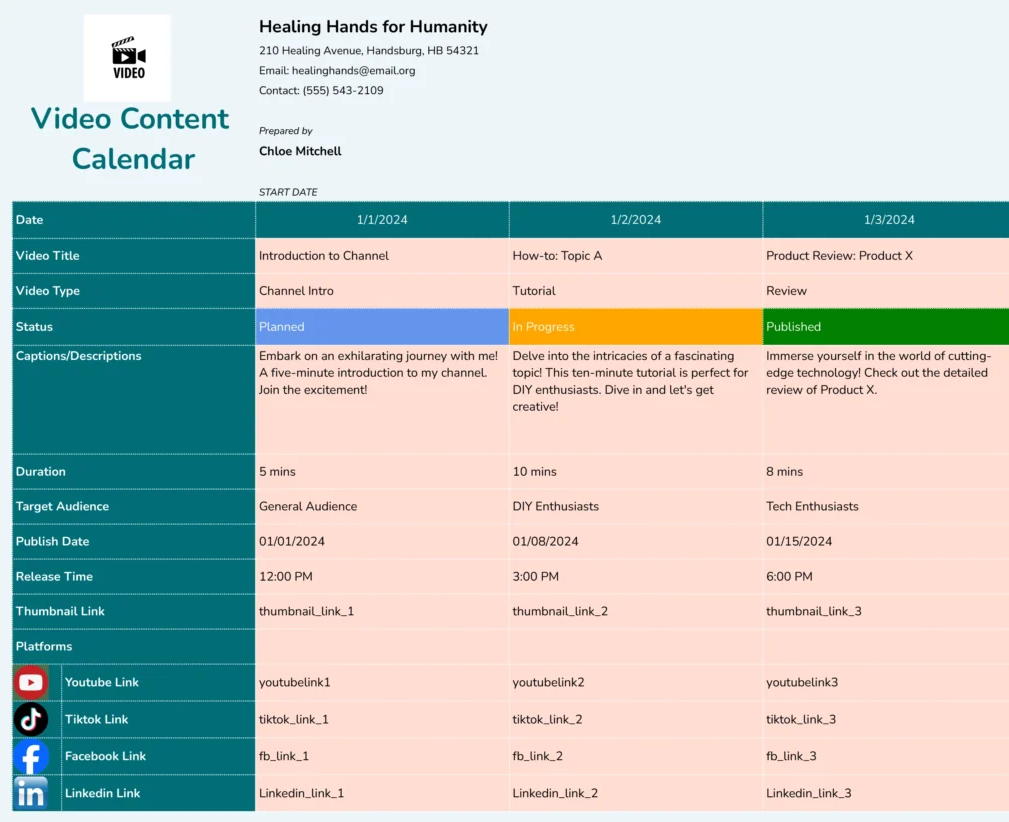
Create a spreadsheet with columns for: Date, Video Title, Content Pillar, Keywords, Thumbnail Idea, Status (Idea/Filming/Editing/Uploaded), and Notes. Google Sheets syncs across devices and allows real-time collaboration if working with editors or co-creators.
Notion: Visual & Customizable
Notion templates allow database views showing all videos in calendar format, kanban board for production status tracking, properties for filtering by content pillar or season, and linked databases to connect video ideas with performance data. Many free Notion templates specifically designed for content creators exist in the Notion template marketplace.
Airtable: Advanced Tracking
Airtable offers automation capabilities, form submissions for ideas, linked records connecting videos to performance metrics, and integrations with YouTube analytics. This approach works well for creators wanting data-driven content optimization.
ClickUp or Asana: Team Collaboration
If working with editors, thumbnail designers, or management, project management tools provide task assignment, deadline tracking, file attachments, and team communication in one platform. Essential for growing channels but may be overkill for solo creators starting out.
Content Batching Strategy for Efficiency
Content batching—filming multiple videos in single sessions—dramatically improves consistency while reducing production stress. For vegan lifestyle creators, organize batching by content type or theme.
Monthly Batching Schedule
- Day 1-2: Recipe Video Batch (4 videos) – Film 4 different recipe videos using similar lighting, background, and setup. Change outfits between videos for variety. Saves equipment setup time while maintaining visual consistency.
- Day 3: Educational Video Batch (2 videos) – Film 2 myth-busting or how-to videos using simple talking-head format with minimal setup changes.
- Day 4: Lifestyle Content Batch (2 videos) – Film lifestyle vlogs, hauls, or day-in-the-life content capturing multiple angles and situations in one outing.
- Days 5-7: Post-Production – Edit, add subtitles, design thumbnails, and schedule uploads across batched content.
SEO & Keyword Research Integration for YouTube
Incorporate keyword research directly into your content calendar planning. Identify high-search-volume, low-competition keywords relevant to your niche and build content around them.
High-Performing Vegan YouTube Keywords to Target:
- “Easy vegan recipes” + [time frame: “5 minute,” “10 minute,” “30 minute”]
- “Cheap vegan meals” / “Budget vegan” + [meal type: “breakfast,” “dinner,” “meal prep”]
- “Vegan protein sources” / “Protein for vegans”
- “How to go vegan” / “Beginner vegan guide”
- “Vegan [holiday] recipes” (Thanksgiving, Christmas, Easter alternatives)
- “[Ingredient] vegan recipe” (nutritional yeast, chickpeas, tofu, tempeh)
- “Vegan weight loss” / “Healthy vegan”
- “Vegan restaurant review” / “[City name] vegan food”
Balancing Consistency Without Burnout
Small creators often upload once weekly to maintain consistency without excessive production pressure. Here’s a sustainable approach:
- 3 Videos Per Week: Ambitious but achievable with batching. Requires 4-5 production days monthly plus editing. Recommended for established small channels with 1000+ subscribers.
- 2 Videos Per Week: Sustainable long-term while maintaining quality. Requires 3 production days monthly. Sweet spot for most growing channels (100-10,000 subscribers).
- 1 Video Per Week: Perfect for beginners or solopreneurs with limited time. Requires 1-2 production days monthly. Allows quality over quantity focus and still shows consistency to algorithm.
Start with 1-2 videos weekly. After 3 months of consistent uploads, increase frequency only if sustainable without compromising quality or personal wellbeing.
Seasonal Content Planning Calendar for Vegan Creators
Evergreen Content (Available Year-Round)
- Beginner vegan guides and FAQs
- Basic cooking techniques and kitchen skills
- Staple recipe categories (pasta, rice, bowl meals)
- Product review templates
Seasonal Content Opportunities
- Spring (March-May): Easter recipes, spring produce, gardening, local sourcing, outdoor entertaining
- Summer (June-August): BBQ alternatives, cold recipes, travel vegan, farmers markets, preserving/canning
- Fall (September-November): Pumpkin recipes, harvest themes, Thanksgiving alternatives, comfort food season begins
- Winter (December-February): Holiday entertaining, New Year themes, indoor meal prep, Veganuary focus, warming recipes
Awareness Day Content Calendar
- January 1: New Year resolution content, goal-setting
- Veganuary (Throughout January): Beginner content, challenge participation, conversion stories
- February 14 (Valentine’s Day): Date night vegan recipes, romantic meals
- April 22 (Earth Day): Sustainability, zero-waste, environmental impact content
- October 31 (Halloween): Vegan candy/treat alternatives, party food
- November 1 (World Vegan Day): Celebration content, community spotlights, success stories
- November (Thanksgiving): Holiday meal alternatives, traditional dish recreations
- December (Holidays): Christmas/Hanukkah recipes, gift guides, family meal planning
Performance Tracking & Content Optimization
Add performance metrics to your content calendar to refine future planning. After publishing, track these metrics monthly:
- Click-Through Rate (CTR): Did thumbnail and title entice clicks? Target: 4-8% for new channels
- Average View Duration: Did audience stay engaged? Higher retention correlates with better recommendations. Target: 50%+ of total video length
- Watch Time: Total minutes watched. Contributes to monetization eligibility and algorithm rankings
- Subscriber Growth: Which content types gained most subscribers?
- Comments & Engagement: Which videos prompted most comments and discussion?
Use these insights to adjust upcoming calendar. If recipe videos consistently outperform educational content, increase recipe frequency. If specific keywords drive traffic, plan more content around high-performers.
Common Content Calendar Mistakes to Avoid
Overambitious Posting Schedule
Committing to 4+ videos weekly burns creators out. Start conservative and increase only when sustainable. Consistency beats frequency in YouTube’s algorithm—one reliable weekly upload beats sporadic 3x weekly attempts.
Ignoring Your Unique Angle
Don’t copy established creators exactly. Instead, identify your unique perspective: Are you the budget vegan? The family-friendly vegan? The zero-waste vegan? The sick-in-bed vegan creating accessible recipes? This differentiation helps your channel stand out and attract loyal community.
Forgetting Community Engagement in Planning
Planning should include response time to comments, community tab posts, and collaboration coordination. Build 2-3 hours weekly into your schedule for meaningful engagement beyond just uploading videos.
Not Batching Content Production
Recording single videos in isolation creates inefficiency and creative fatigue. Batch filming—recording multiple videos in themed sessions—improves consistency, reduces setup time, and maintains creative momentum.
Neglecting Seasonal Planning
Failing to plan content around seasonal trends, holidays, and awareness days means missing organic search traffic. Plan 2-3 months ahead to capture Veganuary, Earth Day, Thanksgiving, and World Vegan Day audiences.
Tools & Resources for Vegan Lifestyle Content Creation
- Thumbnail Creation: Canva (free templates), TubeBuddy (A/B testing), CapCut
- Video Editing: CapCut (free), DaVinci Resolve (free), Adobe Premiere Pro (paid)
- Keyword Research: TubeBuddy, VidIQ, Google Trends, YouTube Search Suggestions
- Scheduling & Analytics: YouTube Studio, TubeBuddy, Social Blade
- Collaboration: Notion, Google Sheets, Asana, ClickUp
Conclusion: Launch Your Organized Vegan YouTube Channel
A structured content calendar transforms YouTube success from luck into strategy. By planning around four core content pillars, batching production efficiently, tracking performance metrics, and staying flexible to seasonal trends, small vegan lifestyle creators can build sustainable channels that attract loyal, engaged communities. Start with this template, adjust based on your audience response, and commit to consistency rather than perfection. Your authentic plant-based perspective, combined with strategic planning, is exactly what vegan viewers are searching for on YouTube.
Begin building your first quarterly calendar this week. Choose your content pillars, identify your unique angle within the vegan niche, and commit to a realistic upload schedule. The vegan community is growing rapidly, search volumes for plant-based content are rising, and YouTube rewards consistent creators. Your voice matters—now plan for it systematically.
