For solo bloggers operating in the highly competitive health niche, maintaining consistency, accuracy, and SEO performance is non-negotiable. Unlike lifestyle or general interest blogs, health content requires rigorous research, citation tracking, and strict adherence to editorial schedules to build authority and trust. By 2026, relying solely on spreadsheets is no longer feasible; the right digital editorial calendar app is essential for streamlining workflow, managing complex topic clusters, and staying ahead of search trends.
This comprehensive 2026 review explores the best digital editorial calendar applications specifically suited for the unique demands and limited resources of the solo blogger focused on health and wellness content.
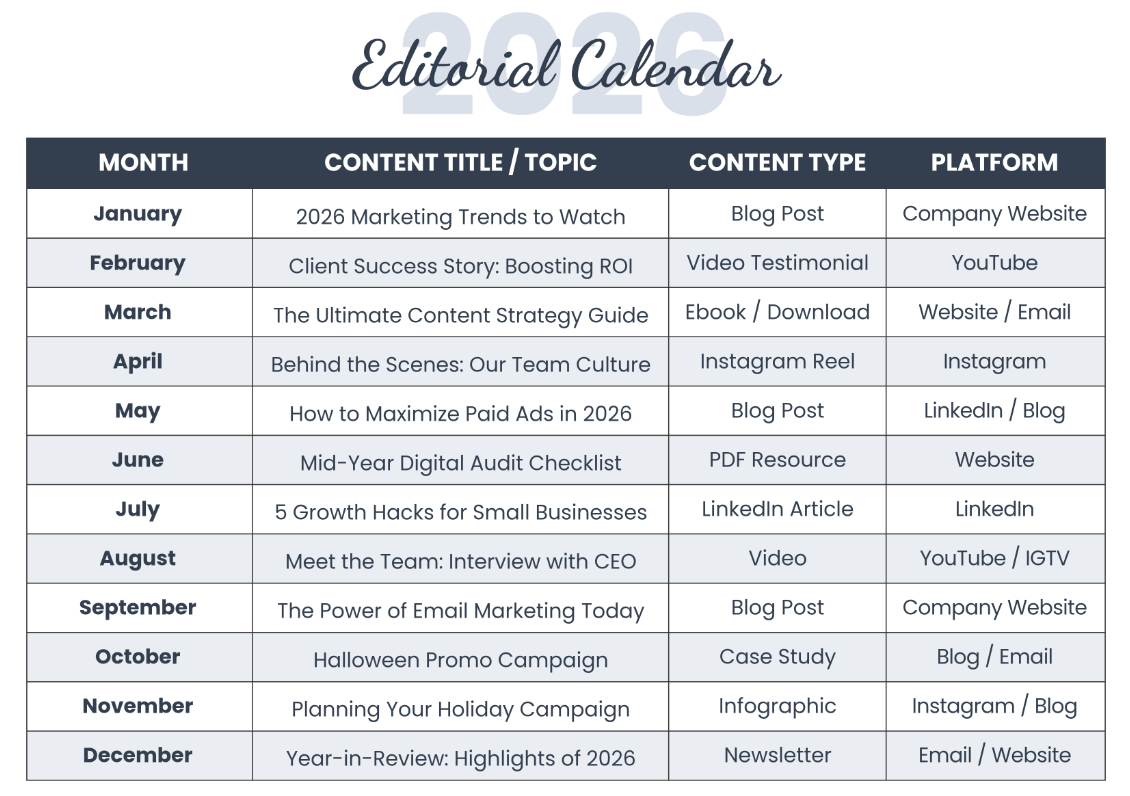
The Solo Health Blogger’s Unique Editorial Challenges
A solo content creator in the health niche faces several hurdles that a specialized editorial calendar must address:
- Topic Cluster Management: Health topics often require linking several articles (e.g., nutrition, fitness, sleep) to establish deep expertise. The calendar must visually map these interdependencies.
- Source Tracking: Every article needs credible sources (studies, clinical trials). The app must easily accommodate note-taking, links, and draft citations directly within the planning task.
- SEO and Keyword Focus: Content needs to be planned months in advance around emerging SEO keywords and seasonal health topics (e.g., flu season, new year resolutions).
- Limited Resources: The calendar must be intuitive, cost-effective, and require minimal overhead, as the blogger handles all research, writing, editing, and promotion alone.
The best digital editorial calendar apps for this niche must prioritize visibility, collaboration (even if the “collaborator” is future self), and deep task integration.
Key Features Required in a 2026 Digital Calendar App
Based on 2026 standards for efficiency and integration, solo health bloggers should prioritize apps offering these core features:
1. Visual Planning and Mapping
- Drag-and-Drop Interface: The ability to easily move content around a calendar view (monthly/weekly) without manually re-typing dates is a must-have for flexible scheduling.
- Kanban and Calendar Views: The application should offer a Kanban board view (for tracking status: Idea, Draft, SEO Review, Scheduled) alongside a traditional calendar view (for deadline visualization).
- Custom Status Tags: Essential for health content. Tags should include: Fact-Checked, Citation Required, or Doctor Review Pending, allowing the blogger to track critical compliance steps.
2. Integration and Note-Taking Capabilities
- Rich Text & Link Integration: The ability to paste research links, bullet-point outlines, and citation drafts directly into the task card is critical for reducing context switching.
- SEO Field Integration: Space for tracking primary and secondary keywords, target URL, and meta description drafts within the content task itself.
- Cloud Sync: Instant synchronization across desktop, web, and mobile, allowing for research notes to be captured on the go.
3. Affordability and Scalability
Since the target user is a solo blogger, the ideal solution should be free or have an inexpensive, feature-rich individual plan that can easily scale if a virtual assistant or editor is later hired.
2026 Review: Top Digital Editorial Calendar Apps
We review three leading digital tools, assessing their suitability for the solo health blogger:
1. Notion: The Ultimate Customizable Database
- Pros: Highly flexible. Allows creation of custom databases to link articles (topic clusters) and track complex compliance steps (citations, fact-checks). Free tier is robust enough for most solo users. Excellent for storing research notes alongside the calendar.
- Cons: Steep initial learning curve. Requires significant setup time to build the ideal editorial calendar dashboard.
- Best For: The technical blogger who needs deep customization and complex research/citation tracking workflows.
2. Trello: The Visual Workflow Master
- Pros: Excellent drag-and-drop Kanban view for tracking content status (e.g., “Ready for SEO Review,” “Published”). Simple and intuitive to use. Calendar Power-Up clearly shows deadlines.
- Cons: Card capacity can become overwhelming for note-taking compared to Notion. Lacks deep integration fields unless using paid Power-Ups.
- Best For: The visual planner who prioritizes status tracking and collaboration (if outsourcing editing).
3. Google Sheets/Calendar: The Reliable Workhorse
- Pros: Free, universally accessible, and infinitely collaborative. Ideal for basic editorial calendar needs and managing simple data (keywords, dates). Google Calendar integration is seamless for scheduling.
- Cons: Lacks visual appeal and advanced workflow tracking (no native Kanban). Relies heavily on manual data entry and color-coding for status updates.
- Best For: The budget-conscious beginner who needs a reliable, zero-cost scheduling tool and is comfortable with spreadsheets.
Advanced Strategy: Mapping Content Clusters in Your Calendar
To dominate the health niche in 2026, plan in clusters, not single posts. Your calendar app should facilitate this:
- Identify the Pillar: Create a primary task (e.g., “Pillar: Gut Health and Probiotics”) with a recurring deadline.
- Map Sub-Topics: Link 5-7 smaller content pieces (the “cluster”) to that main Pillar card/task. Assign staggered deadlines (e.g., one post per week) to maintain site activity.
- Interlink Tracking: Use a dedicated field in the calendar task to paste the URLs of related, published posts. This ensures the necessary internal linking structure for SEO is built before publication.
Conclusion: Strategic Planning for Niche Authority
The solo health blogger’s success in 2026 relies on their ability to manage complex content demands efficiently. The right digital editorial calendar app—whether it’s the custom power of Notion, the visual workflow of Trello, or the simplicity of Google Sheets—is the foundation of this efficiency. By choosing a tool that specifically supports citation tracking, content clustering, and visual scheduling, the solo blogger can maximize productivity, build niche authority, and secure long-term success in the challenging health niche.
Choose Your App: Start Planning Your High-Authority Health Content for 2026 Today!
