Working professionals pursuing education through night schools face unique challenges balancing demanding careers, personal responsibilities, and academic commitments. A well-structured calendar becomes an essential tool for managing study routines, ensuring consistent academic progress without sacrificing work performance or personal well-being. This guide explores strategies for utilizing calendars to create effective study schedules that accommodate the complexities of working while learning.
The Challenges of Night School for Working Professionals
Night school students often juggle 8-hour workdays, family obligations, commuting, and coursework. Without proper time management, this combination leads to stress, burnout, missed deadlines, and poor academic performance. The key challenge is finding dedicated study time while maintaining energy levels and meeting all obligations.
Benefits of Calendar-Based Study Planning
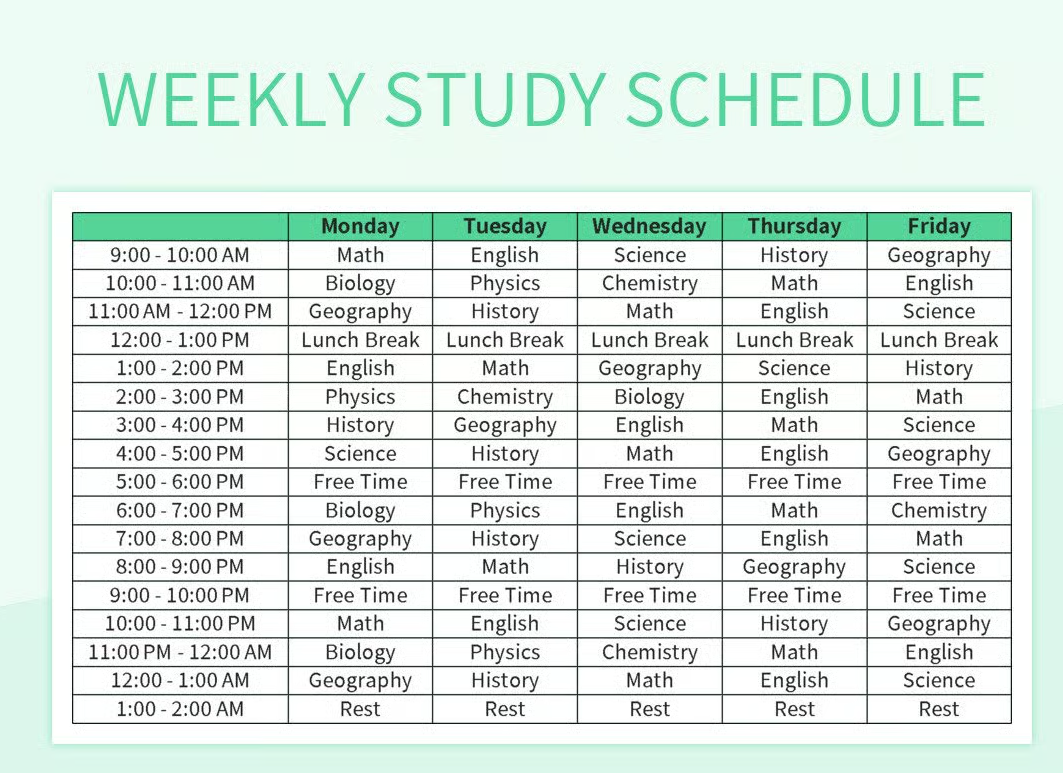
- Visibility: A calendar provides a complete view of work schedules, class times, assignment deadlines, and personal commitments, enabling strategic study planning.
- Time Blocking: Dedicated study blocks prevent procrastination and ensure regular, predictable learning sessions.
- Deadline Management: Visual reminders for exams, projects, and submissions reduce last-minute cramming and anxiety.
- Balance Maintenance: Scheduled breaks and personal time prevent burnout and maintain sustainable routines.
- Progress Tracking: Monitoring completed study sessions and milestones provides motivation and accountability.
Setting Up Your Study Calendar
Step 1: Map Fixed Commitments
Begin by entering all non-negotiable obligations into your calendar:
- Work hours including commute time
- Night school class schedules
- Family responsibilities (childcare, eldercare)
- Essential personal maintenance (sleep, meals, exercise)
Step 2: Identify Available Study Windows
Analyze remaining time slots suitable for focused study:
- Early morning before work (5-7 AM)
- Lunch breaks (30-60 minutes)
- Evening pre-class periods (5-7 PM)
- Post-class study time (9-11 PM)
- Weekend extended sessions
Step 3: Schedule Study Blocks Strategically
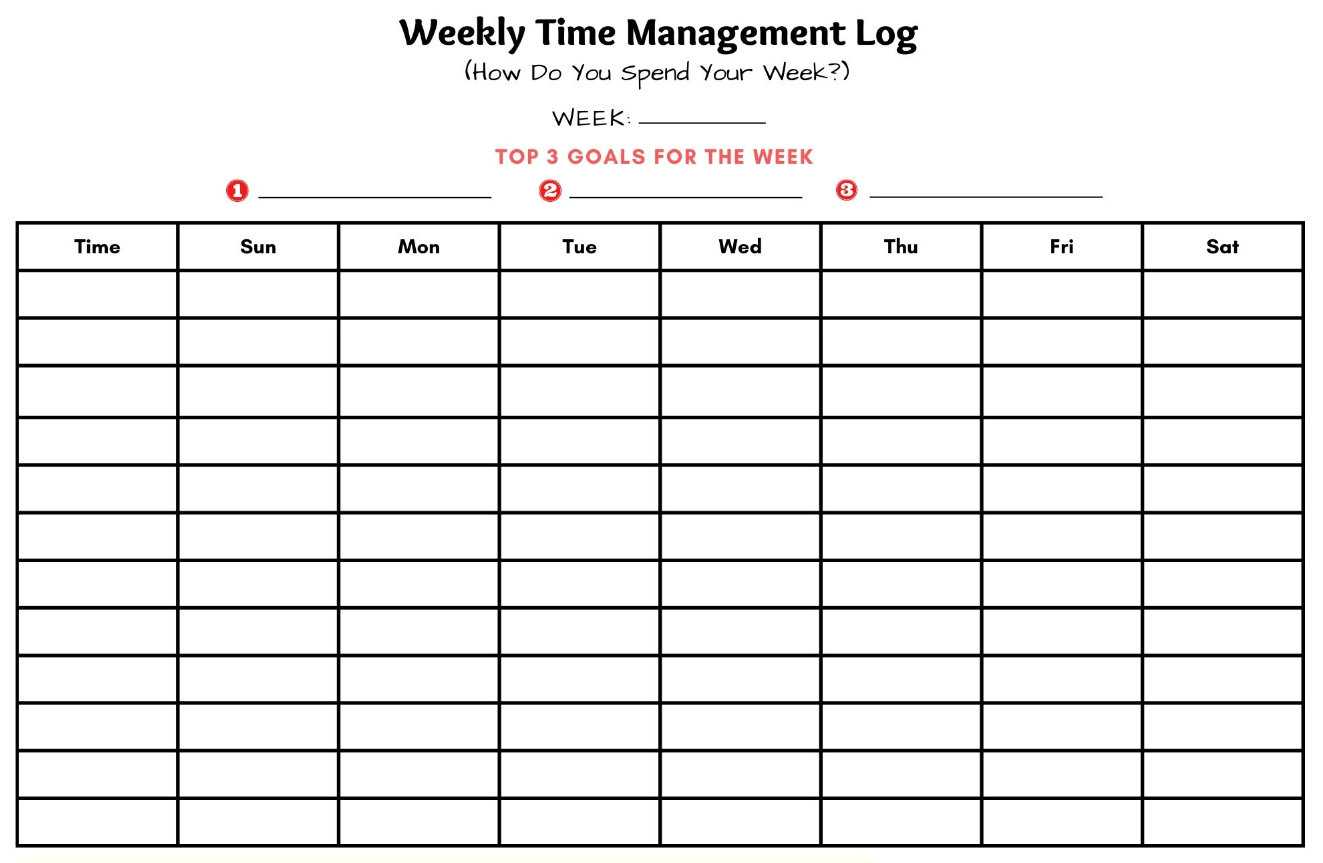
Assign specific study tasks to available time slots based on energy levels and cognitive demands:
- Morning slots: Challenging subjects requiring high concentration (mathematics, complex theory)
- Lunch breaks: Review sessions, flashcard practice, light reading
- Evening pre-class: Subject preview or assignment preparation
- Post-class: Immediate review while material is fresh
- Weekends: Major projects, paper writing, exam preparation
Step 4: Build in Flexibility and Buffers
Include buffer periods for unexpected work demands, family emergencies, or fatigue. Designate backup study slots to compensate for missed sessions without falling behind.
Effective Calendar Tools for Night School Students
- Google Calendar: Free, accessible across devices, supports multiple calendar layers (work, school, personal), and offers reminder notifications.
- Microsoft Outlook Calendar: Integrates with work email systems, suitable for professionals using Microsoft 365 at their jobs.
- Notion: Combines calendar, task lists, and note-taking in unified workspace for comprehensive academic planning.
- Todoist with Calendar Integration: Task management app that syncs with calendar views for assignment tracking.
Time Management Strategies for Working Students
The Pomodoro Technique
Break study sessions into 25-minute focused intervals followed by 5-minute breaks. Schedule 4 Pomodoros with longer breaks between sets. This technique maximizes concentration during limited available study time.
Weekend Intensive Sessions
Dedicate 3-4 hour blocks on weekends for deep work on major assignments, research, or exam preparation. Use calendar blocking to protect this time from other obligations.
Batch Similar Tasks
Group related activities (all reading assignments, problem sets, or writing tasks) into single calendar blocks for improved efficiency through task similarity.
Morning Routine Optimization
Wake 1-2 hours earlier to create quiet, uninterrupted study time before work and family responsibilities begin. Schedule this as recurring daily calendar event to build habit consistency.
Sample Weekly Calendar for Working Night School Student
| Time | Monday | Tuesday | Wednesday | Thursday | Friday | Weekend |
|---|---|---|---|---|---|---|
| 5:00-7:00 AM | Study | Study | Study | Study | Study | Personal |
| 8:00-5:00 PM | Work | Work | Work | Work | Work | Family |
| 5:30-6:30 PM | Dinner/Prep | Dinner/Prep | Dinner/Prep | Dinner/Prep | Dinner/Prep | Study Block |
| 7:00-9:00 PM | Class | Study | Class | Study | Class | Study Block |
| 9:00-10:00 PM | Review | Review | Review | Review | Personal | Personal |
Tips for Maintaining Consistent Study Routines
- Set automatic reminders 15 minutes before study blocks to mentally prepare
- Use calendar color-coding: blue for work, green for classes, yellow for study, red for deadlines
- Review and adjust weekly schedules every Sunday to accommodate upcoming work or academic demands
- Communicate calendar commitments with family members to secure their support and understanding
- Track study hours completed weekly to ensure meeting academic time requirements
- Schedule regular self-care activities to prevent burnout
Overcoming Common Obstacles
- Work overtime: Build buffer study slots and weekend backup times to compensate
- Fatigue: Prioritize sleep in calendar planning; tired study is ineffective study
- Family demands: Involve family in planning, negotiate protected study times
- Motivation lapses: Track progress in calendar notes, celebrate completed milestones
For working professionals pursuing education through night schools, a well-structured calendar transforms the challenge of balancing work, study, and life into a manageable routine. By strategically mapping commitments, identifying study windows, and maintaining disciplined time blocking, students can achieve academic success without sacrificing career advancement or personal well-being. The calendar becomes more than a planning tool—it’s the foundation for sustainable, effective learning while working full-time.
