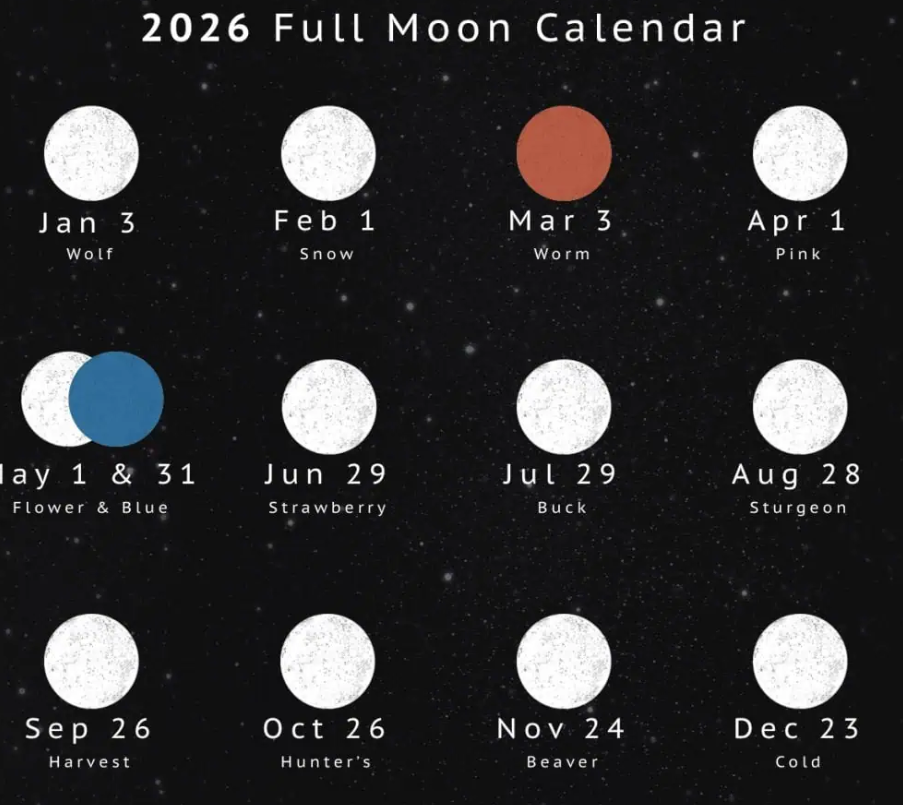
Lunar eclipses are among the most spectacular celestial events, drawing amateur stargazers and astronomy enthusiasts worldwide. The 2026 Lunar Eclipse Calendar provides essential information about upcoming lunar eclipse dates, times, visibility regions, and viewing tips for observers across the globe. Understanding lunar eclipse phenomena and planning observation sessions enhances the experience for hobbyists and organized astronomy clubs.
What is a Lunar Eclipse?
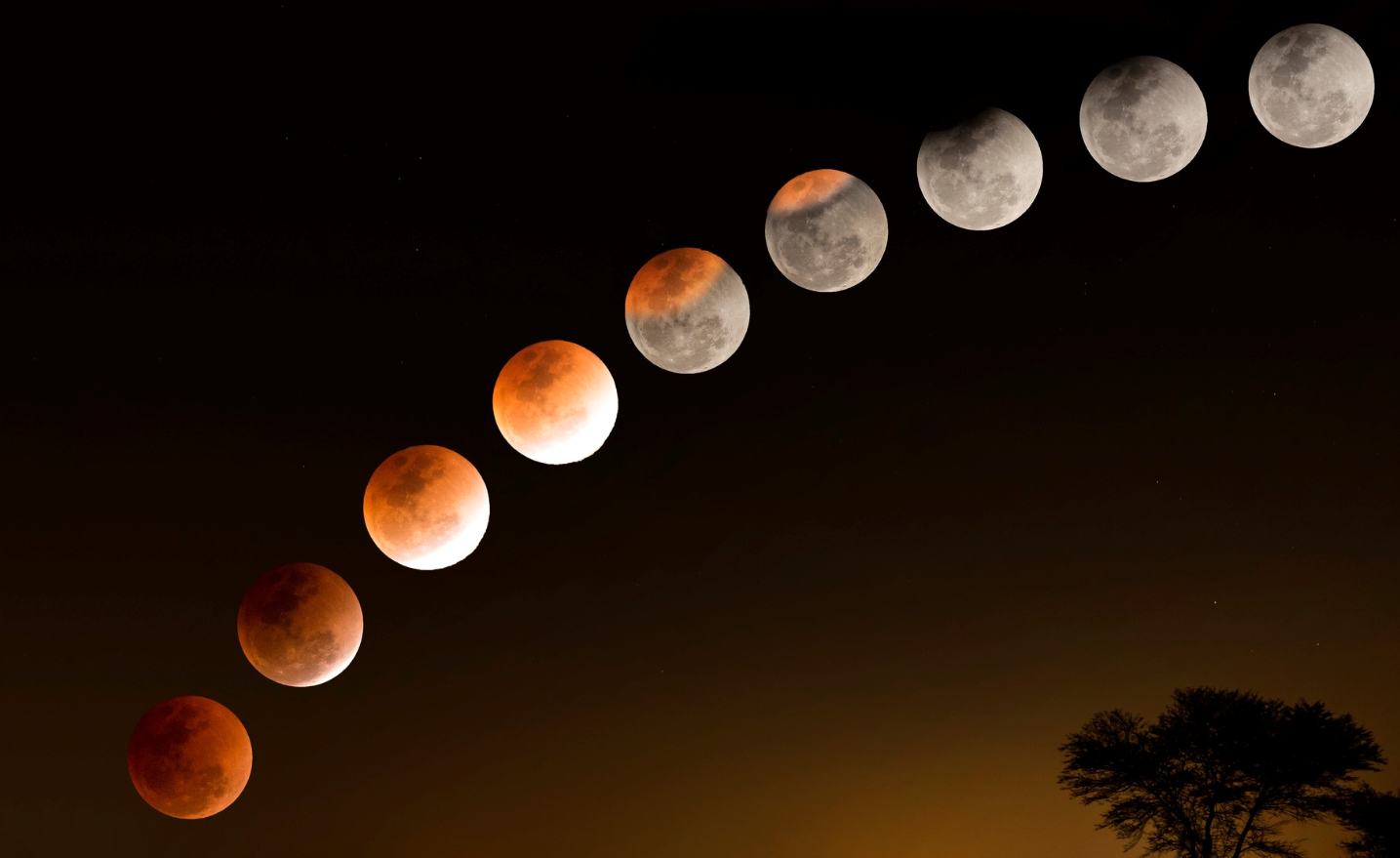
A lunar eclipse occurs when Earth positions itself directly between the Sun and the Moon, causing Earth’s shadow to fall upon the Moon. Unlike solar eclipses requiring special protective glasses, lunar eclipses are safely viewable with naked eyes or binoculars. The Moon typically appears reddish or copper-colored during totality, earning the nickname “blood moon.”
Types of Lunar Eclipses
- Penumbral Lunar Eclipse: The Moon passes through Earth’s penumbra (outer shadow). The eclipse is subtle and difficult to observe; no special viewing precautions needed.
- Partial Lunar Eclipse: The Moon partially enters Earth’s umbra (inner shadow). Part of the Moon darkens noticeably; visible to naked eye observers.
- Total Lunar Eclipse: The entire Moon passes through Earth’s umbra. The Moon becomes dark red or copper; the most dramatic and photogenic eclipse type.
2026 Lunar Eclipse Schedule
| Date | Type | Peak Time (UTC) | Duration | Visibility Regions |
|---|---|---|---|---|
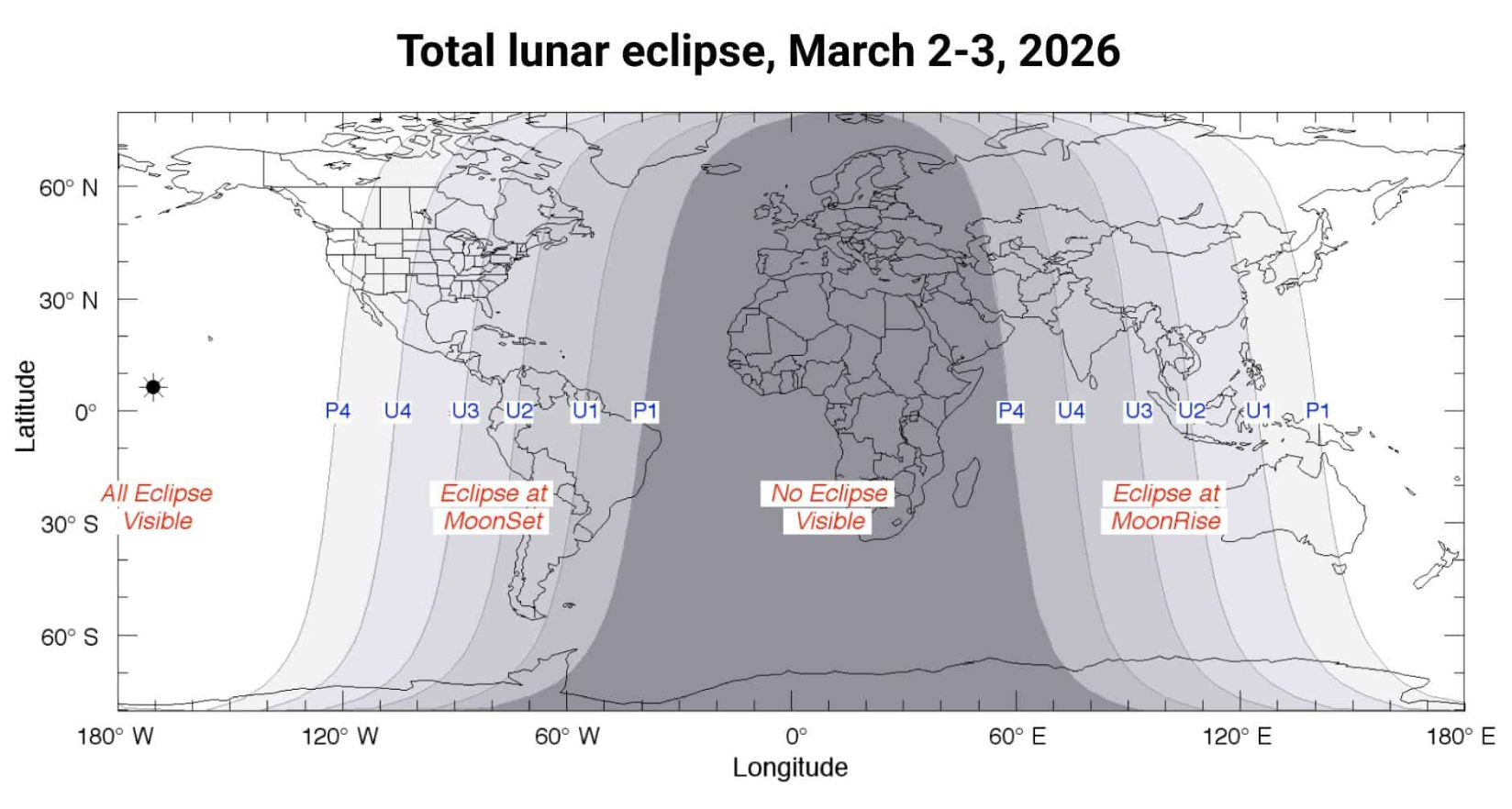
| January 17-18, 2026 | Total Lunar Eclipse | 2:56 AM UTC | 1 hour 24 minutes (totality) | Europe, Africa, Asia, Australia, Pacific |
| July 12-13, 2026 | Total Lunar Eclipse | 11:40 PM UTC | 1 hour 32 minutes (totality) | South America, Europe, Africa, Asia |
January 17-18, 2026 Total Lunar Eclipse
Overview
This total lunar eclipse is particularly significant as it occurs with the Moon at perigee (closest point to Earth), creating a “supermoon” eclipse. The combination enhances visibility and makes the Moon appear dramatically larger.
Viewing Details
- Peak time: 2:56 AM UTC (January 18)
- Totality duration: 1 hour 24 minutes
- Best viewing regions: Europe, Africa, central Asia, Middle East, western Australia
- Eastern North America will experience a partial eclipse in the evening of January 17
Photography and Observation Tips
- Use telephoto lenses (300mm+) for detailed lunar surface detail
- ISO settings: 400-1600 depending on light conditions
- Shutter speeds: 1-4 seconds during totality; faster during partial phases
- Tripod essential for sharp images; remote shutter release recommended
July 12-13, 2026 Total Lunar Eclipse
Overview
The second total lunar eclipse of 2026 occurs near the Moon’s apogee (farthest point from Earth), creating an “umbral” eclipse with extended duration. The Moon will travel slowly through Earth’s shadow, providing extended observation periods.
Viewing Details
- Peak time: 11:40 PM UTC (July 12)
- Totality duration: 1 hour 32 minutes
- Best viewing regions: South America, southern Africa, Australia, western Asia
- North America and Europe will experience penumbral or partial eclipse
Regional Viewing Accessibility
- Europe: Partial eclipse visible in evening hours
- South America: Total eclipse visible in late evening/night
- Africa: Total eclipse visible overnight
- Australia: Total eclipse early morning
Planning Observation Sessions for Astronomy Clubs
Pre-Eclipse Coordination
- Send club members schedule and viewing details 2-3 weeks in advance
- Recommend dark sky sites away from light pollution for optimal viewing
- Arrange transportation or organize group observation sessions at designated locations
- Prepare beginner guides for first-time eclipse observers
Equipment Recommendations
- Naked-eye observation: No equipment needed; safe for all ages
- Binoculars: Enhance lunar surface details; no solar filters required
- Telescopes: Reveal crater details and shadow progression; low magnification (20-50x) recommended
- Camera equipment: DSLR or mirrorless cameras with telephoto lenses for documentation
Educational Activities
- Host pre-eclipse lectures explaining eclipse mechanics and Moon composition
- Encourage members to sketch the eclipse in real-time, documenting color changes
- Organize timing measurements comparing observer predictions with actual events
- Create photo galleries showcasing member captures and observations
Best Practices for Eclipse Observation
- Check weather forecasts: Clear skies are essential; have backup locations ready
- Arrive early: Secure excellent viewing positions and allow time for equipment setup
- Allow eye adjustment: Spend 20-30 minutes in darkness to maximize visual sensitivity
- Document observations: Sketch changes in Moon color, take timed photographs, note atmospheric conditions
- Stay comfortable: Bring blankets, warm beverages, and entertainment for pre- and post-eclipse waiting periods
Safety Considerations
Unlike solar eclipses, lunar eclipses are completely safe to observe without protective equipment. The Moon during a lunar eclipse receives no direct sunlight and poses no eye hazard. Binoculars and telescopes can be used freely without special filters.
Resource Links for Planners
- Time and Date – Eclipse Calendar: Detailed eclipse information with custom viewing calculations
- NASA Eclipse Web Site: Authoritative information on all 2026 eclipses
- Astronomy Club Networks: Connect with local clubs organizing observation events
Conclusion
The 2026 lunar eclipse calendar presents two remarkable opportunities for amateur stargazers and astronomy clubs to witness and document celestial events. By understanding eclipse mechanics, planning observation sessions strategically, and preparing appropriate viewing locations and equipment, enthusiasts can maximize their eclipse experience. Whether observing solo or as part of organized club activities, 2026’s lunar eclipses promise unforgettable views of Earth’s shadow across the Moon.
