Spring can be a beautiful season, but for families dealing with severe allergies, it can also be one of the most challenging times of the year. In, rising pollen levels, changing weather conditions, and increased outdoor activities can trigger symptoms that affect daily life, school attendance, sleep quality, and overall well-being.
An allergy tracking calendar is a practical tool that helps families monitor symptoms, identify triggers, and prepare for periods when allergies are likely to be more severe. By combining symptom tracking, medication schedules, and environmental observations, families can make more informed decisions throughout the spring season.
This guide explains how to create and use an allergy tracking calendar specifically for springtime allergy management.
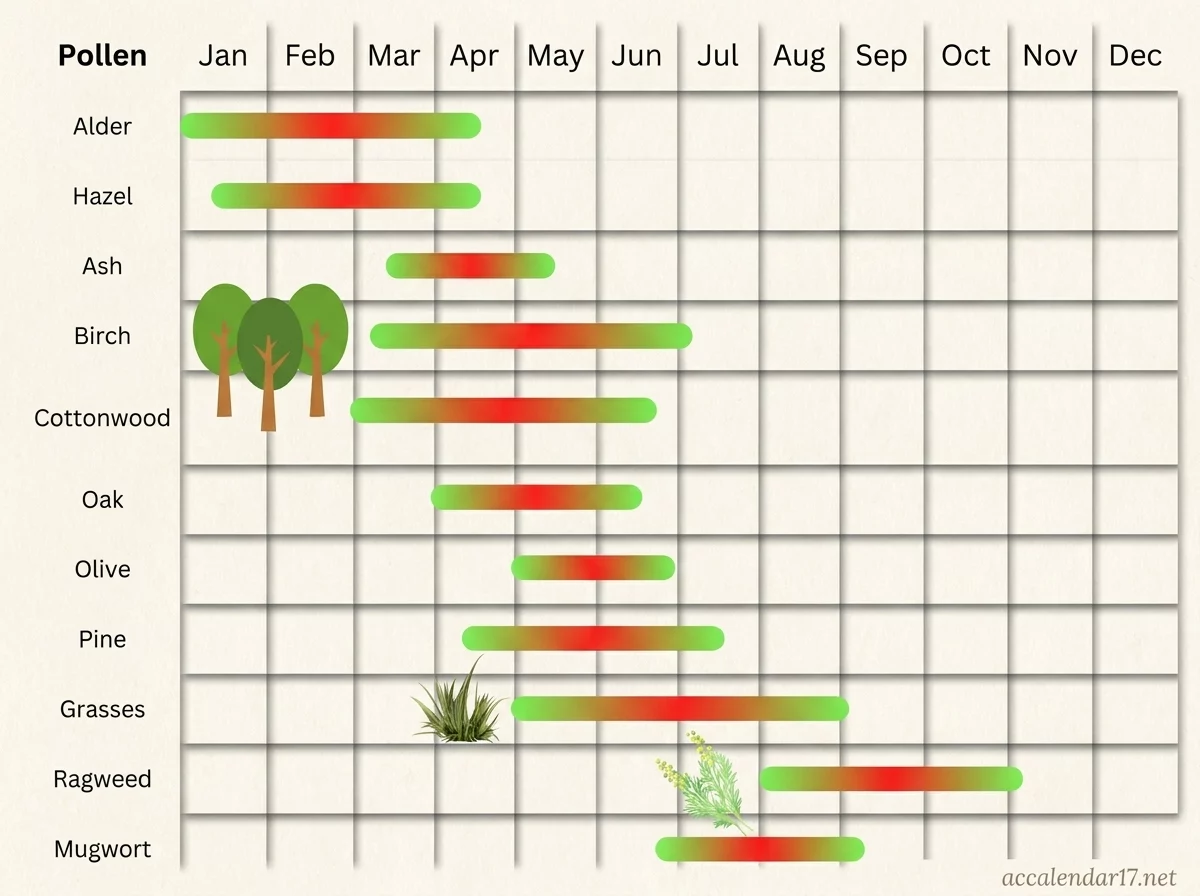
Why Use an Allergy Tracking Calendar?
Allergies often follow patterns. Symptoms may worsen during certain weeks, after specific weather changes, or during periods of high pollen activity.
An allergy tracking calendar helps families:
- Monitor symptom severity over time
- Identify environmental triggers
- Track medication effectiveness
- Plan outdoor activities more carefully
- Improve communication with healthcare providers
Instead of relying on memory, families can use recorded data to make better health decisions.
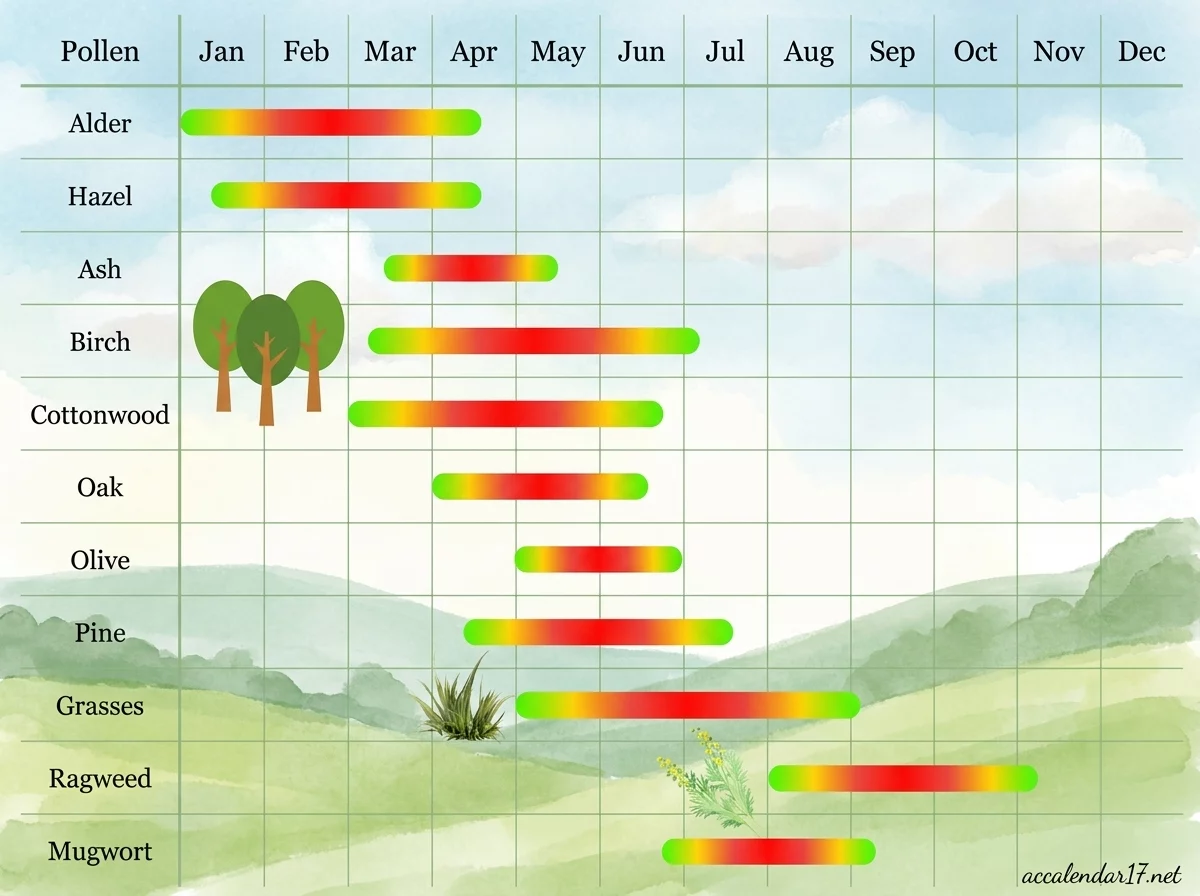
Common Spring Allergy Triggers
Spring allergies are often associated with airborne allergens that become more prevalent as temperatures rise.
- Tree pollen
- Grass pollen
- Mold spores
- Air pollution
- Outdoor environmental irritants
Children and adults with severe allergies may react differently, making individual tracking especially important.
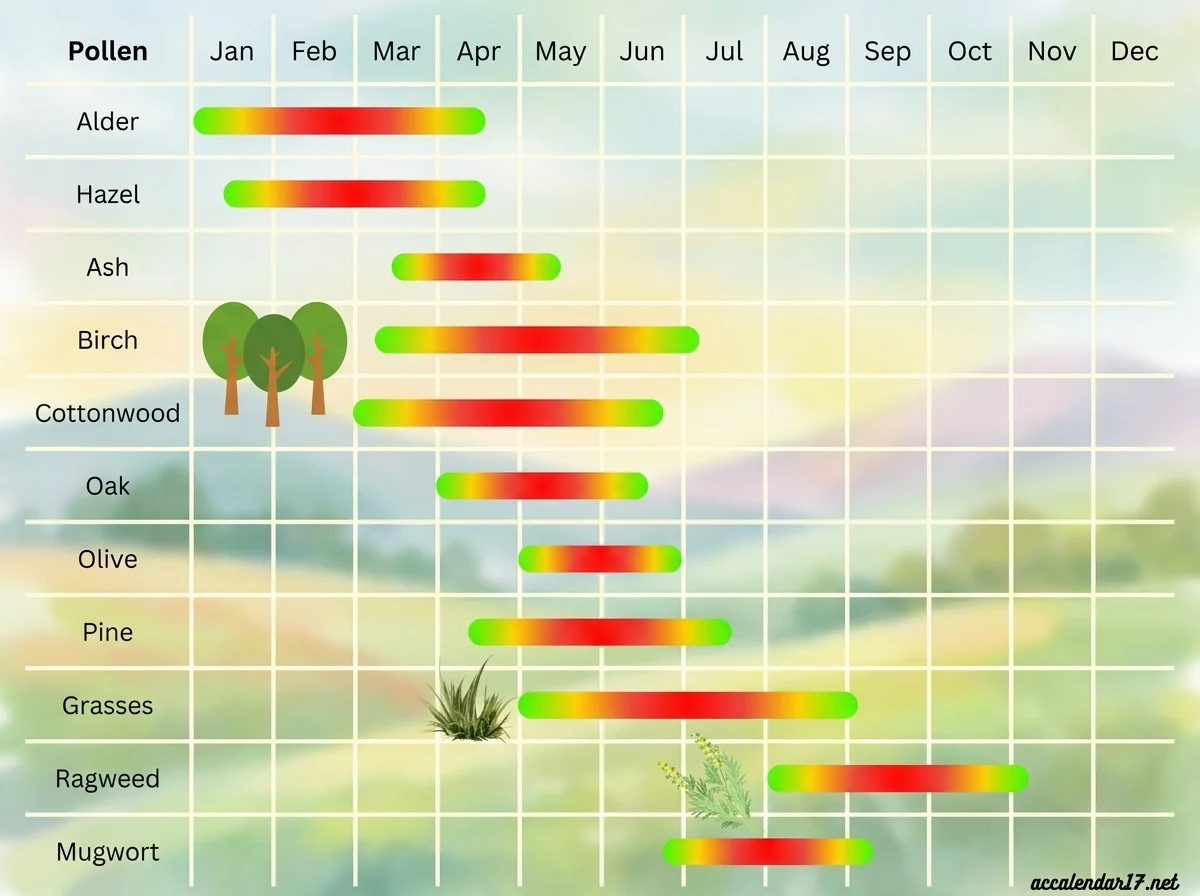
What to Include in an Allergy Tracking Calendar
Daily Symptom Ratings
Create a simple scale from 1 to 5 to record symptom severity.
Track symptoms such as:
- Sneezing
- Runny nose
- Congestion
- Itchy eyes
- Coughing
- Breathing difficulties
Medication Tracking
Record when medications are taken and note whether symptoms improve afterward.
Outdoor Exposure
Track time spent outdoors, including activities such as sports, playground visits, walks, and gardening.
Weather Notes
Include observations about windy days, dry conditions, rain, or sudden temperature changes.
Sleep Quality
Many allergy sufferers experience disrupted sleep. Recording sleep patterns may reveal useful trends.
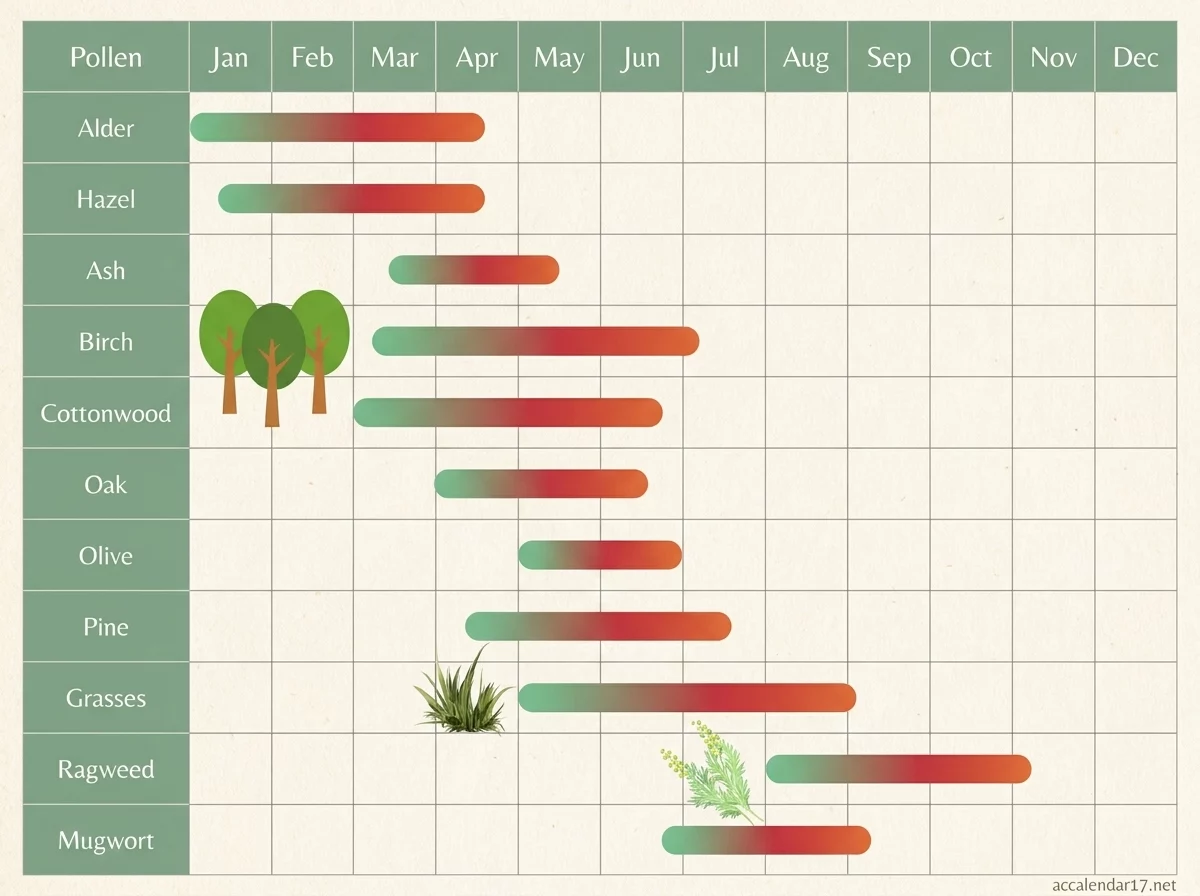
How Families Can Use the Calendar Effectively
Review the Calendar Every Week
A weekly review helps identify recurring patterns that might otherwise go unnoticed.
Compare Symptoms Across Family Members
Different individuals may react differently to the same environmental conditions. Comparing entries can help uncover personal triggers.
Plan Outdoor Activities Strategically
If symptoms consistently worsen during certain periods, families can adjust outdoor schedules accordingly.
Prepare for High-Risk Weeks
Tracking seasonal trends makes it easier to anticipate periods when symptoms may become more severe.
Creating a Family Allergy Management System
An allergy calendar works best when integrated into a broader family health routine.
Consider including:
- Medication reminders
- Doctor appointments
- Prescription refill dates
- School health notes
- Emergency action plans
Centralizing information makes allergy management more organized and less stressful.
Printable vs Digital Allergy Tracking Calendars
Printable Calendars
Printable trackers are easy to place on refrigerators, family notice boards, or planners. They provide quick visibility for all family members.
Digital Calendars
Digital tools allow reminders, shared access, and convenient updates from multiple devices.
Many families find that a combination of printable tracking sheets and digital reminders works best.
Tips for Families Managing Severe Allergies
- Track symptoms consistently, even on good days
- Keep records simple and easy to maintain
- Review trends monthly
- Coordinate tracking with healthcare advice
- Update emergency contact information regularly
Consistency is more valuable than collecting large amounts of detailed data.
Common Mistakes to Avoid
- Only tracking symptoms during severe flare-ups
- Ignoring environmental factors
- Failing to record medication use
- Waiting too long to review patterns
- Making tracking systems overly complicated
A simple and sustainable system is usually the most effective.
Benefits of Long-Term Allergy Tracking
Over multiple seasons, an allergy calendar becomes a valuable health record.
- Improved awareness of triggers
- Better preparation for future allergy seasons
- More productive healthcare consultations
- Reduced stress and uncertainty
- Enhanced family planning and scheduling
Long-term tracking helps families move from reactive management to proactive planning.
Conclusion
An allergy tracking calendar for spring in London can be an invaluable tool for families dealing with severe allergies. By recording symptoms, medication use, outdoor exposure, and environmental conditions, families gain a clearer understanding of allergy patterns and triggers.
Whether using a printable planner, a digital calendar, or a combination of both, consistent tracking helps improve preparation, supports better decision-making, and makes the spring season more manageable for everyone involved.
FAQ Section
What is an allergy tracking calendar?
An allergy tracking calendar is a tool used to record symptoms, triggers, medications, and environmental factors over time.
Why is allergy tracking useful for families?
It helps identify patterns, improve planning, and support discussions with healthcare professionals.
What should be recorded in an allergy calendar?
Symptoms, medication use, outdoor exposure, sleep quality, and weather conditions are common tracking categories.
Is a printable or digital allergy calendar better?
Both can be effective. Many families use printables for visibility and digital tools for reminders.
How often should allergy symptoms be tracked?
Daily tracking provides the most useful information, especially during peak allergy seasons.
