A real estate agent calendar is one of the most important tools for managing daily activity, client communication, and transaction progress. In a business built on timing, a well-structured calendar helps agents stay on top of open house planning, client meeting schedules, property showing calendars, and closing date reminders without losing control of their week.
Today’s buyers and sellers expect fast communication, organized service, and a smooth experience from listing to closing. That is why agents need more than a simple planner. They need a real estate scheduling system that supports lead follow-up, appointment management, contract milestone tracking, and real estate workflow management in one place.
Why a Real Estate Agent Calendar Matters
Real estate is full of moving parts. A single transaction can involve listing appointments, buyer consultation schedules, seller consultation schedules, inspection deadline reminders, appraisal scheduling, and final closing checklist timelines. Without a reliable calendar, it becomes easy to overlook critical steps or create scheduling conflicts that affect client trust.
A well-managed real estate agent calendar also improves real estate time management. Instead of reacting to every message or last-minute request, agents can follow a repeatable schedule that gives space for high-value tasks such as prospecting, showings, negotiations, and administrative work. This creates a stronger real estate productivity system and reduces daily stress.
What to Include in a Real Estate Scheduling System
Many agents only schedule visible appointments, but a complete calendar should cover all client-facing and behind-the-scenes activities. The goal is to build a system that reflects the true pace of the business.
Open House Planning and Promotion
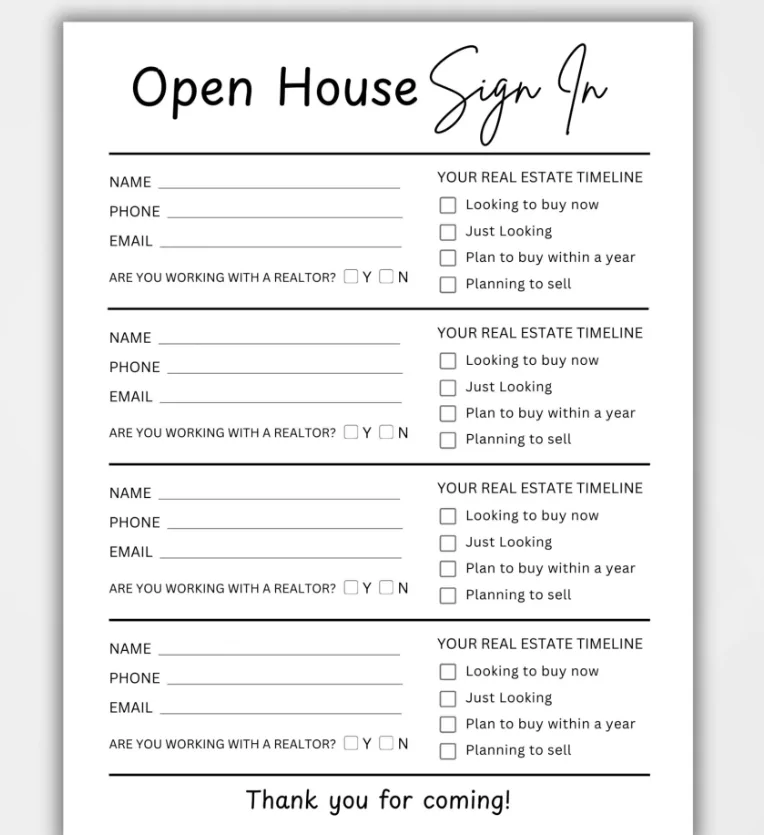
An open house schedule should include more than the event itself. It should also include preparation time for staging, signage, listing promotion, social media posting, neighborhood outreach, and post-event lead follow-up. This gives your open house planning structure and prevents rushed preparation.
Agents who treat open houses as a sequence of scheduled tasks often perform better than those who only add a two-hour event block. A complete showing appointment planner should account for setup, guest sign-in preparation, follow-up messages, and lead sorting after the event.
Client Meeting Schedule
Every client meeting schedule should be organized by purpose. A listing appointment calendar, buyer consultation schedule, pricing discussion, contract review, and closing preparation call all require different preparation. Clear labeling helps agents stay prepared and creates a more professional experience.
It is also smart to include travel time and short buffers between appointments. This makes agent appointment management more realistic and reduces the chance of arriving late, running behind, or carrying stress from one meeting into the next.
Property Showing Calendar
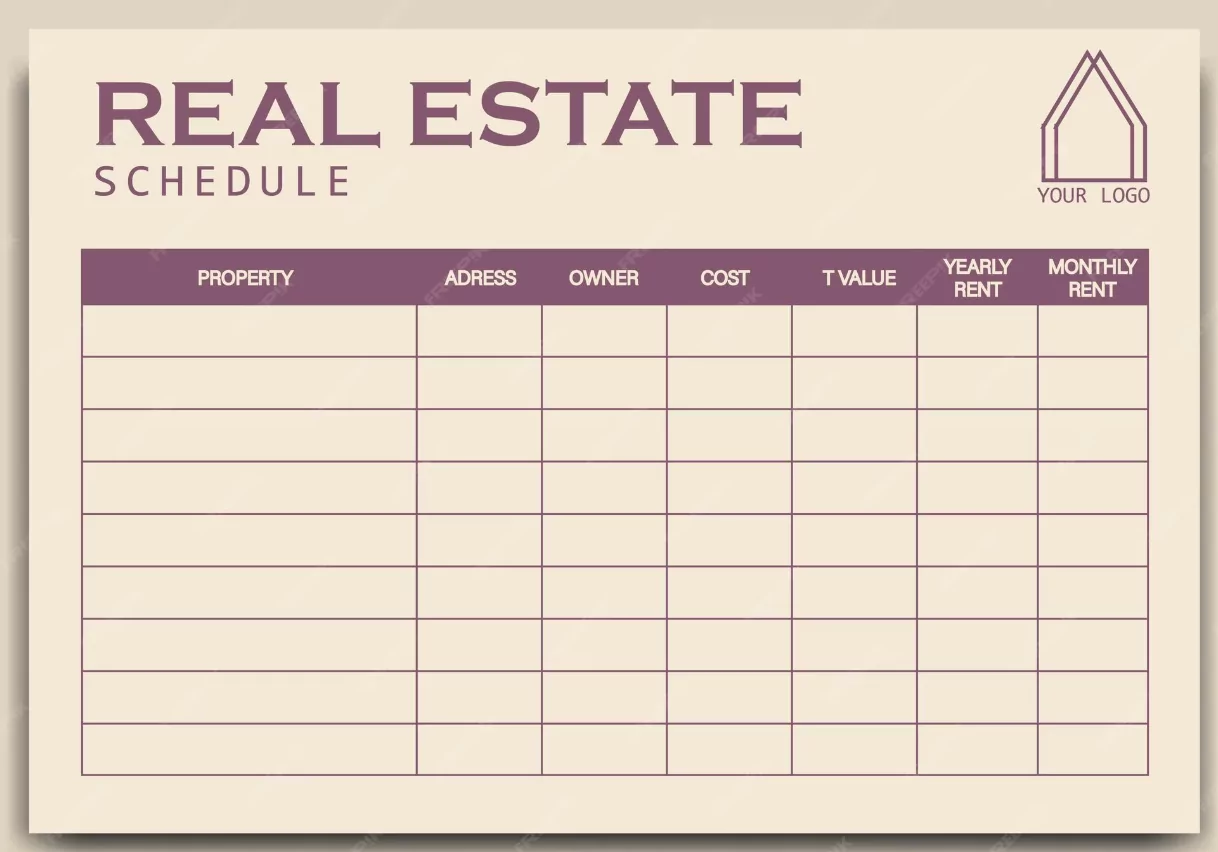
A property showing calendar helps agents group tours efficiently and manage availability across multiple listings. Instead of booking showings randomly throughout the day, agents can create showing windows that make better use of time, fuel, and client energy.
This approach also supports better communication with buyers. When clients understand the showing schedule in advance, they can compare properties more clearly and make decisions faster. A structured showing appointment planner can improve both service quality and conversion.
Transaction Deadline Tracking
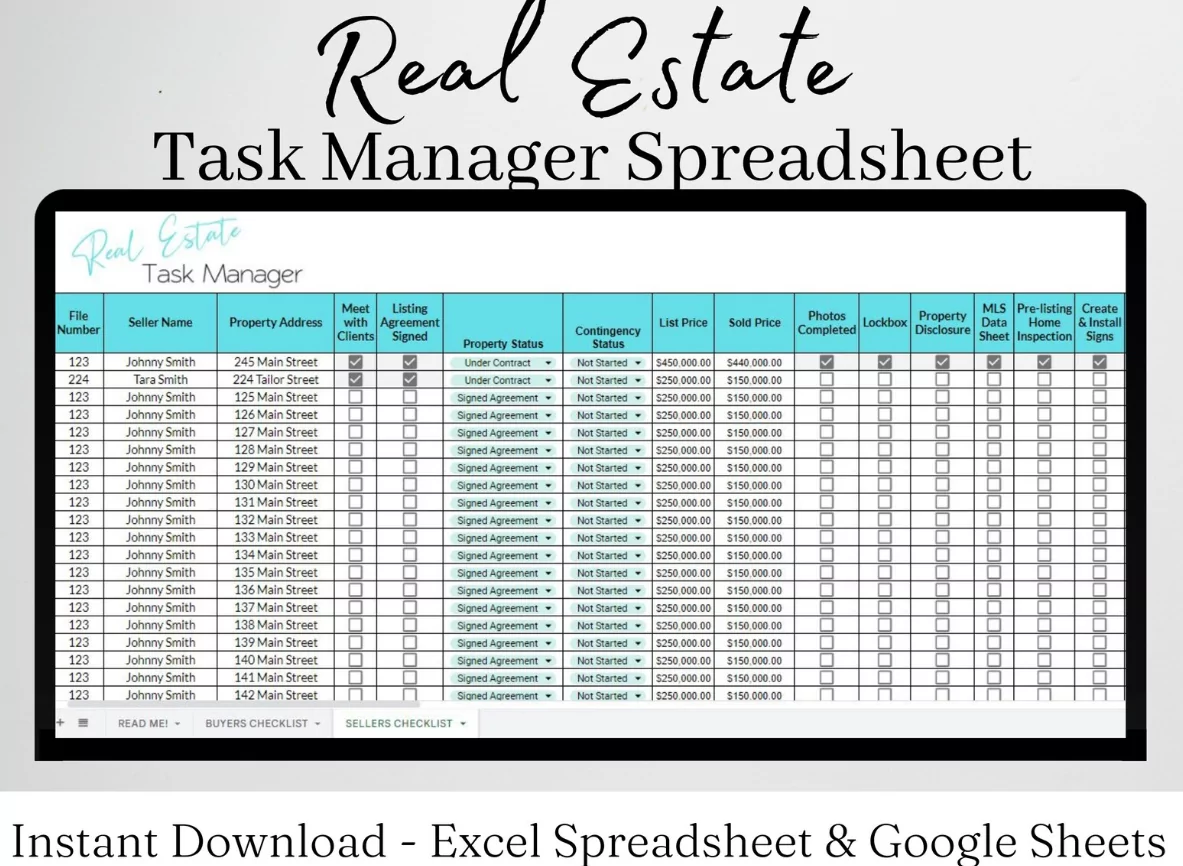
Transaction deadline tracking is one of the most essential parts of a real estate agent calendar. Once a home goes under contract, agents need to enter every deadline immediately, including earnest money dates, inspection periods, appraisal scheduling, financing checkpoints, title updates, walkthrough appointments, and closing date reminders.
Contract milestone tracking helps ensure that each party stays aligned throughout the transaction. By setting multiple reminders for key dates, agents can avoid missed deadlines, protect clients, and keep the process moving with fewer surprises.
How to Organize Your Calendar for Better Workflow
The best real estate workflow management system is easy to review at a glance. Many agents use color categories for lead generation, meetings, property tours, transaction tasks, and personal time. This makes the calendar easier to read and helps identify overloaded days before they become a problem.
Time blocking is another useful method. Agents can reserve recurring blocks for prospecting, lead follow-up schedules, paperwork, marketing, and showing availability. With this method, the calendar becomes a real estate productivity system instead of just a list of appointments.
Sample Weekly Structure
Monday can focus on pipeline review, listing status updates, and contract milestone tracking. Tuesday through Thursday may be used for showings, client meeting schedules, and negotiations. Friday can support closing checklist timelines, document review, and open house planning for the weekend.
This structure gives agents flexibility while still protecting the core parts of the business. It also creates stronger real estate time management because every important activity has a place on the calendar before the week gets crowded.
How Calendar Management Improves the Client Experience
Clients notice when an agent is organized. They may not ask about your tools, but they will remember whether you followed up on time, prepared for meetings, explained deadlines clearly, and kept the process moving. A well-run real estate agent calendar directly supports trust and professionalism.
For sellers, this means consistent listing appointment calendars, better open house planning, and timely updates. For buyers, it means a smoother property showing calendar, reliable buyer consultation schedules, and fewer surprises during transaction deadline tracking.
SEO Value of This Topic in 2026
This topic fits modern SEO because users often search in natural language. They ask questions such as “What should a real estate agent calendar include?” or “How do agents track open houses and closing deadlines?” That makes this subject a strong match for AI-assisted search, voice search behavior, and intent-focused content.
Using semantic phrases such as real estate scheduling, agent appointment management, property showing calendar, lead follow-up schedule, and closing date reminders helps search engines understand topical depth. It also makes the content more useful for human readers because the article mirrors the real tasks agents manage every day.
Multimedia Ideas for Better Engagement
To improve user experience, this article can include a sample calendar screenshot, a weekly real estate scheduling template, or an infographic showing transaction deadline tracking from contract to closing. These visuals make the article more actionable and easier to understand.
You can also add a short explainer video that walks through a listing appointment calendar, open house schedule, and closing checklist timeline. Interactive checklists or downloadable planning templates can add even more value for readers who want practical tools, not just theory.
Best Practices for a High-Performing Real Estate Agent Calendar
- Schedule every important activity, including lead follow-up, not just meetings.
- Use a property showing calendar to group tours efficiently.
- Build a clear client meeting schedule with travel and buffer time.
- Use transaction deadline tracking for every active contract.
- Add layered reminders for inspections, appraisals, and closing date reminders.
- Review your real estate workflow management system daily and weekly.
- Protect focused blocks for prospecting, admin tasks, and marketing.
A real estate agent calendar should support every stage of the business, from the first client contact to the final signature. When built correctly, it becomes a dependable system for open house planning, agent appointment management, contract milestone tracking, and long-term productivity.
In practical terms, the best calendar is the one that helps you stay proactive. It should show what needs to happen today, what deadlines are coming next, and what actions move each deal forward. When that system is in place, agents can work more efficiently and deliver a better client experience at every stage.
