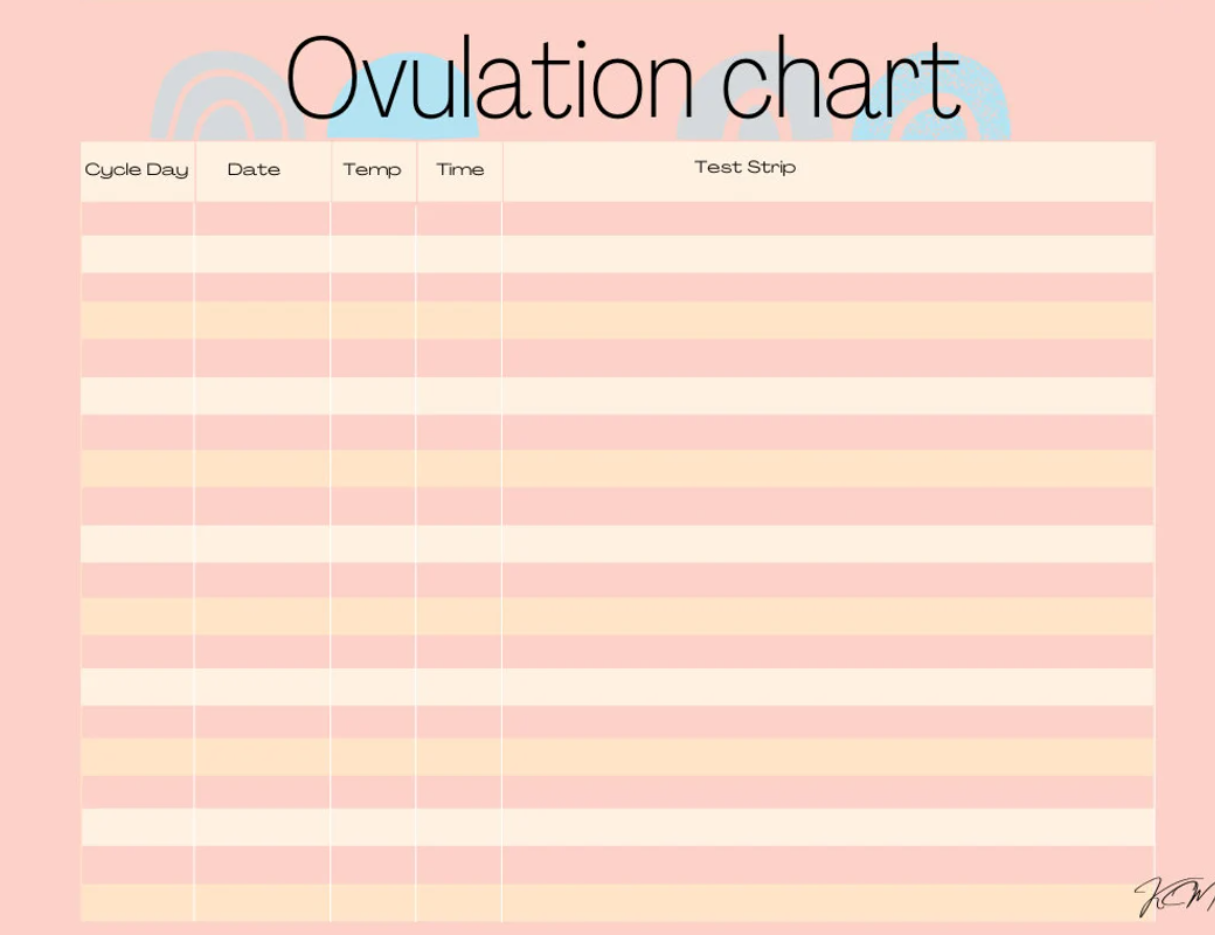
Tracking ovulation and fertile days is an essential part of the journey for women trying to conceive naturally. A printable fertility window calendar offers a clear, easy-to-use visual tool that helps you identify your most fertile days each cycle, optimize the chances of conception, and better understand your body’s natural rhythms. This guide explains how to use a fertility window calendar, offers free printable resources, and provides expert tips for making natural conception easier and more predictable.
Why Use a Fertility Window Calendar?
- Visualizes fertile window: Identifies the 5-7 day span of each cycle when chances of conception are highest.
- Supports natural family planning: Makes it easier to try for pregnancy without high-tech interventions.
- Easy documentation: Tracks periods, ovulation signs, and intercourse timing for future reference or fertility consultations.
- Reduces stress: Helps couples plan intimacy and manage expectations based on biological timing.
Understanding the Fertile Window
- Fertile window: The 5 days before ovulation, ovulation day, and often 1 day after (total 6-7 days per cycle).
- Ovulation day: When a mature egg is released from the ovary; typically occurs 12-16 days before your next period begins.
- Sperm survival: Sperm can live up to 5 days in healthy cervical mucus, so sex several days before ovulation can still result in pregnancy.
- Egg viability: Once released, an egg survives for 12-24 hours—timing is key.
How to Use a Printable Fertility Calendar
- Record cycle length: Track the number of days from the first day of one period to the next for at least 3-6 months.
- Estimate ovulation: Subtract 14 from your average cycle length. Example: 28-day cycle, 28-14=14; likely to ovulate on day 14.
- Mark fertile window: Highlight 5 days before and 1 day after likely ovulation (e.g., days 9-15 in a 28-day cycle).
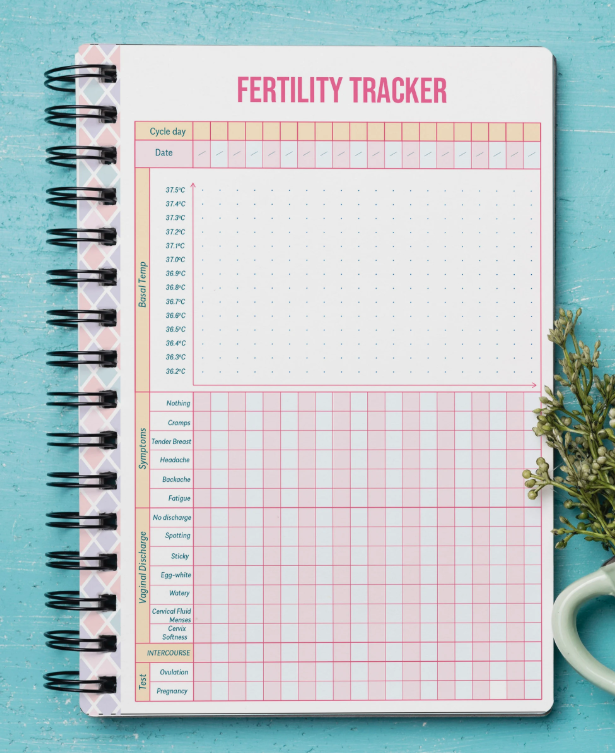
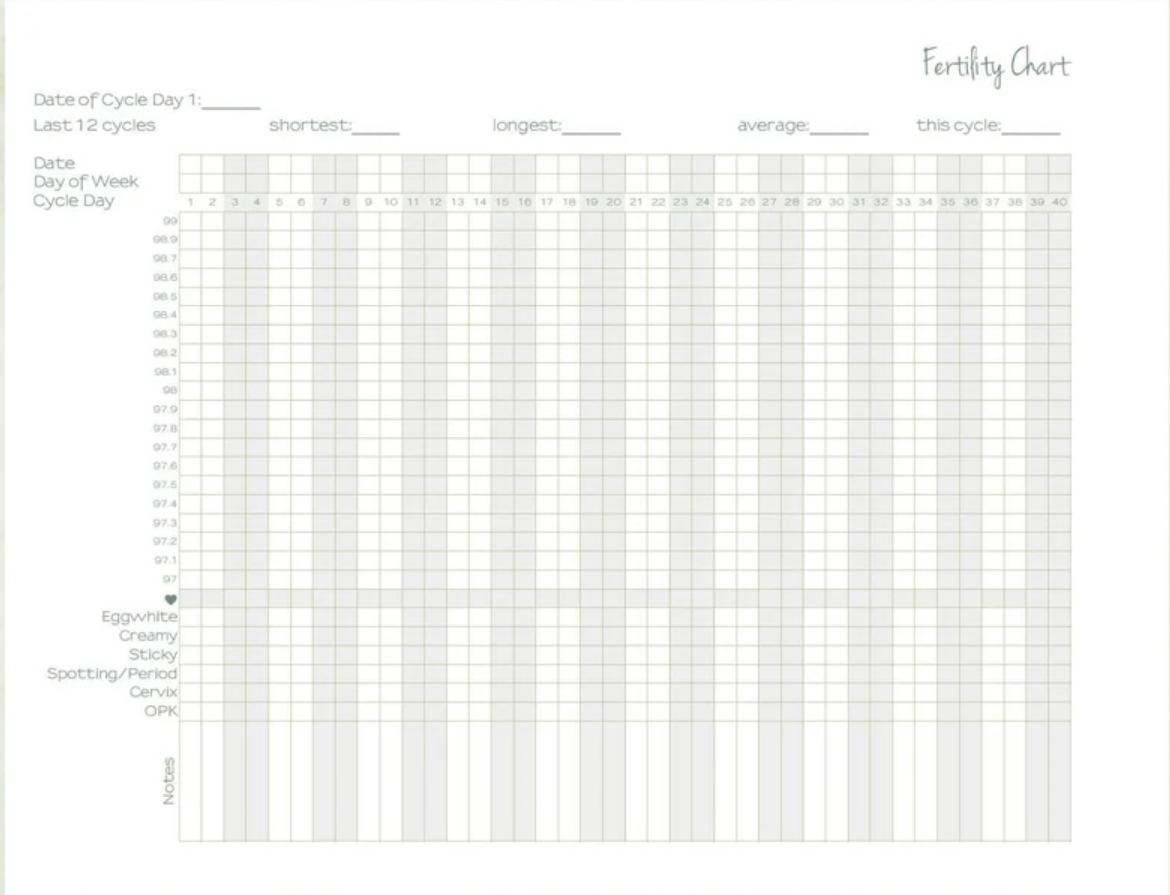
- Track ovulation signs: Each day, note changes in cervical mucus (egg-white, stretchy = most fertile), basal body temperature rises, ovulation predictor results, or mild abdominal pain (mittelschmerz).
- Plan intercourse: Aim for intimacy every 1-2 days during the fertile window for best conception odds.
- Log results: Document period start, signs, and test outcomes for future analysis or medical consultations.
Free Printable Fertility Window Calendar Templates
- Calendarlabs.com: Customizable monthly blank calendars for cycle tracking; downloadable PDFs.
- Vertex42.com: Printable menstrual and ovulation calendar templates; Excel and PDF formats.
- Canva Free: Design your own printable ovulation calendar with color coding for fertile days.
- BabyCenter and The Bump: Fertility and ovulation calendars for printing or filling daily observations.
- Microsoft Office Templates: Monthly calendar templates easily adapted for fertility tracking.
Expert Tips for Natural Fertility Tracking
- Start tracking cycles for at least three months to determine your average cycle length and fertile window.
- Document cervical mucus, basal body temperature, and ovulation symptoms for more accurate predictions.
- If cycles are irregular, keep notes on patterns—a calendar helps your doctor assess possible causes or next steps if pregnancy does not occur.
- Avoid stress and maintain healthy lifestyle habits as they can impact ovulation and hormonal balance.
- Share the calendar with your partner to coordinate efforts and reduce pressure.
- Never use only one sign—combine calendar calculations with observed fertility signs for best results.
Sample Monthly Fertility Calendar Layout
| Date | Cycle Day | Period | Fertile Window | Ovulation Signs | Intimacy | Notes |
|---|---|---|---|---|---|---|
| April 1 | 1 | Y | Light flow | Period starts | ||
| April 9 | 9 | Y | Egg-white CM | Y | Peak fertility | |
| April 14 | 14 | Y | Ovulation pain, temp rise | Y | Likely ovulation day |
Customize this with your own dates, symptoms, and timing each month. Use color/highlighter for fertility window days and make the template part of your daily routine.
Maintaining Privacy and Paper Copies
- Keep calendars in a private folder, drawer, or use digital password-protected options if needed.
- For paper-free tracking, use free apps that allow printable exports (Fertility Friend, Ovia, Clue).
When to Seek Help
- If there has been no conception after 12 months (or 6 months if over 35), consult a fertility expert for further evaluation.
- Bring your completed fertility calendars to your appointment—they provide valuable diagnostic information.
Conclusion: Empower Your TTC Journey with Clear Tools
A printable fertility window calendar is a vital low-tech aid for women trying to conceive using natural methods. By understanding your body’s unique patterns, documenting fertile windows, and coordinating with your partner, you increase the chances of conception while reducing uncertainty and stress along your TTC journey.
